
Best Places to Find Replacement Parts for HVAC Systems Locally and Online
HVAC breakdowns rarely happen on a slow day. They show up on the first cold snap or when a houseful of guests arrives. Having a reliable place to find replacement parts for HVAC systems, and knowing when to choose local versus online, can take a stressful situation and turn it into a...
Read more →
A Technician’s List of Furnace Parts by Model and Brand
What technicians mean by furnace parts and why OEM replacements matter When techs talk about furnace parts, we mean the field-replaceable components that keep a residential gas or electric furnace operating safely and efficiently. That includes ignition and flame sensing, combustion air movement,...
Read more →
Find Replacement Parts for HVAC Systems: A Step-by-Step Search Method
What HVAC replacement parts include and why OEM matters When you need furnace replacement parts or components for a heat pump or air handler, the quickest route to a correct fix is identifying the exact part and choosing an original equipment manufacturer, often called OEM. OEM parts match form,...
Read more →
Choosing an OEM Furnace Parts Supplier for Maximum Efficiency
Why OEM Furnace Parts Matter for Performance, Warranty, and Safety Original equipment manufacturer components are built to the exact specifications of your furnace’s make and model. That precision pays off in three ways. First, efficiency. Properly matched blower motors, control boards, pressure...
Read more →
HVAC Repair Parts Explained: From Blower Motors to Control Boards
What HVAC repair parts cover and why OEM quality matters When technicians talk about HVAC parts, they are referring to the core components that move air, regulate heat, and protect the system from damage. In furnaces and air handlers, that means blower motors, run capacitors, gas furnace...
Read more →
Top Resources for HVAC Parts: Reliable Places to Find Replacement Parts
Primary Definition: What HVAC Replacement Parts Encompass and Why OEM Matters HVAC replacement parts include every component that keeps a residential or light commercial heating and cooling system running, from gas furnace replacement parts like igniters and flame sensors to blower motors,...
Read more →
Best Source for Furnace Repair Parts: OEM vs. Aftermarket
What furnace replacement parts include and why OEM matters Furnace replacement parts cover every component required to keep a residential or light commercial heating system working safely and efficiently. That includes ignition systems like hot surface igniters and spark modules, safety devices...
Read more →
Where to Find HVAC Parts Online: A Trusted Buyer’s Guide
What HVAC and furnace parts include, and why OEM replacements matter HVAC parts span a wide range of components that keep heating and cooling systems working: gas valves, igniters, flame sensors, blower motors, control boards, pressure switches, capacitors, contactors, transformers, inducer...
Read more →
Best Source for Furnace Repair Parts: OEM vs. Aftermarket
What furnace replacement parts include and why OEM matters Furnace replacement parts cover every component required to keep a residential or light commercial heating system working safely and efficiently. That includes ignition systems like hot surface igniters and spark modules, safety devices...
Read more →
Trusted Furnace Parts Store vs. Marketplace: What’s the Difference?
Primary definition: what a trusted furnace parts store provides that a marketplace often can’t A trusted furnace parts store focuses on verified components for heating systems, with trained staff and curated inventory that aligns with OEM specifications. An online marketplace aggregates many...
Read more →
Where to Find HVAC Parts Online: A Trusted Buyer’s Guide
What HVAC and furnace parts include, and why OEM replacements matter HVAC parts span a wide range of components that keep heating and cooling systems working: gas valves, igniters, flame sensors, blower motors, control boards, pressure switches, capacitors, contactors, transformers, inducer...
Read more →
Furnace Parts by Model and Brand: A Handy Reference for Technicians
Primary definition: what furnace parts mean in the field When technicians talk about furnace parts, they are referring to the field-replaceable components that make up a residential or light commercial heating system. From ignition controls and gas valves to blower motors and pressure switches,...
Read more →
HVAC Parts Selection: Key Components Every DIYer Should Have
Primary definition: HVAC parts and why OEM replacements matter HVAC parts are the individual components that make up your heating and cooling system, from blower motors and pressure switches to flame sensors and capacitor packs. When a home system falters, the culprit is usually a small part...
Read more →
Find Replacement Parts for HVAC Systems: A Step-by-Step Search Method
What HVAC replacement parts include and why OEM matters When you need furnace replacement parts or components for a heat pump or air handler, the quickest route to a correct fix is identifying the exact part and choosing an original equipment manufacturer, place to find replacement parts for hvac...
Read more →
Best Places to Find Replacement Parts for HVAC Systems Locally and Online
HVAC breakdowns rarely happen on a slow day. They show up on the first cold snap or when a houseful of guests arrives. Having a reliable place to find replacement parts for HVAC systems, and knowing when to choose local versus online, can take a stressful situation and turn it into a...
Read more →
Trusted Furnace Parts Stores: Customer Service and Warranty Factors
Why service and warranty policies matter when you buy furnace parts online Most homeowners and techs can find a pressure switch or hot surface igniter in a minute, yet the difference between a smooth repair and a costly repeat visit often comes down to the store behind the part. A trusted furnace...
Read more →
Best Source for Furnace Repair Parts: OEM vs. Aftermarket
What furnace replacement parts include and why OEM matters Furnace replacement parts cover every component required to keep a residential or light commercial heating system working safely and efficiently. That includes ignition systems like hot surface igniters and spark modules, safety devices...
Read more →
Top Source for Furnace Repair Parts: How to Buy Gas Furnace Replacement Parts
What furnace replacement parts cover, and why OEM matters Furnace replacement parts include the wearable and electronic components that keep a gas or electric furnace running safely and efficiently. Think igniters, hot surface or spark assemblies, flame sensors, pressure switches, blower motors,...
Read more →
Best Places to Find Replacement Parts for HVAC Systems Locally and Online
HVAC breakdowns rarely happen on a slow day. They show up on the first cold snap or when a houseful of guests arrives. Having a reliable place to find replacement parts for HVAC systems, and knowing when to choose local versus online, can take a stressful situation and turn it into a...
Read more →
Find Replacement Parts for HVAC Systems: A Step-by-Step Search Method
What HVAC replacement parts include and why OEM matters When you need furnace replacement parts or components for a heat pump or air handler, the quickest route to a correct fix is identifying the exact part and choosing an original equipment manufacturer, often called OEM. OEM parts match form,...
Read more →
The Smart Way to Buy HVAC Parts: An Online Selection Checklist
Buying furnace replacement parts and broader HVAC components online can save days of downtime and a fair bit of money, but only if you match parts correctly and source them from a trusted furnace parts store. After decades of field calls and late-night emergency repairs, I’ve learned that the...
Read more →
Furnace Parts by Model and Brand: Cross-Reference Tips and Tools
What cross-referencing furnace parts means, and why OEM replacements matter Cross-referencing furnace parts is the process of matching a failed component to the correct replacement across models and brands. It sounds simple until you face overlapping part numbers, discontinued SKUs, and...
Read more →
A Field Guide to Furnace Parts by Model and Brand for DIY Repairs
What DIYers mean by furnace parts and why OEM replacements matter When homeowners and techs talk about furnace parts, they usually mean the field-replaceable components inside a gas or electric forced-air furnace. Think ignition modules, flame sensors, draft inducer blowers, pressure switches,...
Read more →
Your Complete Source for Furnace Repair Parts: From Diagnostics to Delivery
What furnace replacement parts cover, and why OEM quality matters Furnace replacement parts span everything from simple panel screws and air filters to high-stakes furnace repair parts catalog components like control boards, draft inducers, pressure switches, gas valves, and flame sensors. When...
Read more →
Top Source for Furnace Repair Parts: How to Buy Gas Furnace Replacement Parts
What furnace replacement parts cover, and why OEM matters Furnace replacement parts include the wearable and electronic components that keep a gas or electric furnace running safely and efficiently. Think igniters, hot surface or spark assemblies, flame sensors, pressure switches, blower motors,...
Read more →
Furnace Parts by Model and Brand: Cross-Reference Tips and Tools
What cross-referencing furnace parts means, and why OEM replacements matter Cross-referencing furnace parts is the process of matching a failed component to the correct replacement across models and brands. It sounds simple until you face overlapping part numbers, discontinued SKUs, and...
Read more →
HVAC Repair Parts Explained: From Blower Motors to Control Boards
What HVAC repair parts cover and why OEM quality matters When technicians talk about HVAC parts, they are referring to the core components that move air, regulate heat, and protect the system from damage. In furnaces and air handlers, that means blower motors, run capacitors, igniters, flame...
Read more →
A List of Furnace Parts by Model and Brand: Simplify Your Search
Trying to track down the right furnace replacement parts often turns into a guessing game, especially when model numbers are partially furnace spare parts from trusted suppliers worn, brand families overlap, and aftermarket items look similar to OEM components. I have spent many winter calls...
Read more →
Where to Find HVAC Parts Online: A Trusted Buyer’s Guide
What HVAC and furnace parts include, and why OEM replacements matter HVAC parts span a wide range of components that keep heating and cooling systems working: gas valves, igniters, flame sensors, blower motors, control oem hvac system parts and accessories boards, pressure switches, capacitors,...
Read more →
Furnace Parts Online: How to Verify Compatibility with Your Model
Why matching furnace parts to your exact model matters Buying furnace parts online saves time and often money, but only if the part fits the first time. Gas furnace replacement parts and components for electric models look similar across brands, and many listings reuse stock photos. A pressure...
Read more →
A Reliable Source for Furnace Repair Parts: Tips for Quick Fixes
What counts as furnace replacement parts, and why OEM matters Furnace replacement parts cover the mechanical and electrical components that keep a residential heating system running. That includes ignition controls, flame sensors, pressure switches, inducer motors, blower motors, control boards,...
Read more →
Your Complete Source for Furnace Repair Parts: From Diagnostics to Delivery
What furnace replacement parts cover, and why OEM quality matters Furnace replacement parts span everything from simple panel screws and air filters to high-stakes components like control boards, draft inducers, pressure switches, gas valves, and flame sensors. When your heat is down on a cold...
Read more →
Furnace Parts Online: How to Read Part Numbers and Specs
What “furnace parts online” really means, and why OEM specs matter Shopping for furnace replacement parts online can save a service call and days of downtime, but only if you can translate part numbers and read spec sheets correctly. OEM stands for original equipment manufacturer, and those parts...
Read more →
Furnace Parts Online: Avoid Common Pitfalls and Get the Right Fit
Primary definition: what “furnace parts online” really means and why OEM matters Buying furnace parts online sounds simple, until a model suffix, voltage, or gas valve pressure trips you up. Furnace parts include controls, safety devices, combustion components, and wear items that keep a gas or...
Read more →
Top Source for Furnace Repair Parts: How to Buy Gas Furnace Replacement Parts
What furnace replacement parts cover, and why OEM matters Furnace replacement parts include the wearable and electronic components that keep a gas or electric furnace running safely and efficiently. Think igniters, hot surface or spark assemblies, flame sensors, pressure switches, blower motors,...
Read more →
A List of Furnace Parts by Model and Brand: Simplify Your Search
Trying to track down the right furnace replacement parts often turns into a guessing game, especially when model numbers are partially worn, brand families overlap, and aftermarket items look similar to OEM components. I have spent many winter calls hunched over burner compartments and control...
Read more →
The Best Place to Find Replacement Parts for HVAC Systems on a Budget
Finding reliable, affordable furnace replacement parts and general HVAC components is less about hunting for the absolute lowest price and more about balancing three things: verified compatibility, supplier reliability, and total cost of ownership. After years of fixing gas and electric furnaces...
Read more →
Your Go-To Source for Furnace Repair Parts During Peak Season
When the first cold snap hits, everyone discovers the same thing at once: the furnace that limped through spring suddenly needs attention, and the scramble for furnace parts begins. Having spent many winters supporting techs and homeowners, I have learned that the difference between a warm house...
Read more →
Top Resources for HVAC Parts: Reliable Places to Find Replacement Parts
Primary Definition: What HVAC Replacement Parts Encompass and Why OEM Matters HVAC replacement parts include every component that keeps a residential or light commercial heating and cooling system running, from gas furnace replacement parts like igniters and flame sensors to blower motors,...
Read more →
Selection of HVAC Repair Parts: Must-Have Components for Winter
Winter crowds the calendar with service calls the moment the first cold snap hits. Households notice a burner that won’t light, a blower that rattles, or a limit switch that trips every cycle. If you stock the right HVAC parts and keep a trusted supplier on speed dial, you can turn those...
Read more →
Furnace Parts Online: How to Verify Compatibility with Your Model
Why matching furnace parts to your exact model matters Buying furnace parts online saves time and often money, but only if the part fits the first time. Gas furnace replacement parts and components for electric models look similar across brands, and many listings reuse stock photos. A pressure...
Read more →
Gas Furnace Replacement Parts: Identifying and Ordering the Right Components
What gas furnace replacement parts are and why OEM matters Gas furnace replacement parts are the components that keep a residential or light commercial furnace burning cleanly, safely, and efficiently. Igniters, flame sensors, control boards, pressure switches, inducer motors, and gas valves form...
Read more →
Furnace Parts by Model and Brand: Cross-Reference Tips and Tools
What cross-referencing furnace parts means, and why OEM replacements matter Cross-referencing furnace parts is the process of matching a failed component to the correct replacement across models and brands. It sounds simple until you face overlapping part numbers, discontinued SKUs, and...
Read more →
HVAC Parts 101: Understanding Capacitors, Contactors, and Control Boards
Primary definition: why these three parts decide whether your HVAC runs or stalls Capacitors, contactors, and control boards handle the core electrical work that keeps furnaces and air conditioners cycling on time, at the right speed, and with safe power delivery. A capacitor provides the kick...
Read more →
Where to Find a Wide Selection of HVAC Repair Parts Fast
What HVAC repair parts really are, and why OEM matters when speed counts HVAC parts cover everything from tiny flame sensor screws and pressure switches to blower motors, control boards, and full ignition assemblies. When a furnace is down in January or an air handler quits during a heat wave,...
Read more →
HVAC Repair Parts Selection: Essential Stock for Service Vans
Primary definition: what HVAC repair parts belong on a van and why OEM replacements matter Service vans are rolling warehouses. The parts you choose to keep on board dictate how many first-visit fixes you can deliver and how profitable each route becomes. HVAC parts for furnaces and air handlers,...
Read more →
HVAC Repair Parts Selection: Essential Stock for Service Vans
Primary definition: what HVAC repair parts belong on a van and why OEM replacements matter Service vans are rolling warehouses. The parts you choose to keep on board dictate how many first-visit fixes you can deliver and how profitable each route becomes. HVAC parts for furnaces and air handlers,...
Read more →
HVAC Repair Parts Explained: From Blower Motors to Control Boards
What HVAC repair parts cover and why OEM quality matters When technicians talk about HVAC parts, they are referring to the core components that move air, regulate heat, and protect the system from damage. In furnaces and air handlers, that means blower motors, run capacitors, igniters, flame...
Read more →
Best Places to Find Replacement Parts for HVAC Systems Locally and Online
HVAC breakdowns rarely happen on a slow day. They show up on the first cold snap or when a houseful of guests arrives. Having a reliable place to find replacement parts for HVAC systems, and knowing when to choose local versus online, can take a stressful situation and turn it into a...
Read more →
Where to Find a Wide Selection of HVAC Repair Parts Fast
What HVAC repair parts really are, and why OEM matters when speed counts HVAC parts cover everything from tiny flame sensor screws and pressure switches to blower motors, control boards, and full ignition assemblies. When a furnace is down in January or an air handler quits during a heat wave,...
Read more →
Gas Furnace Replacement Parts Buying Guide: From Igniters to Heat Exchangers
What gas furnace replacement parts cover and why OEM matters Gas furnace replacement parts span everything from fragile hot surface igniters to rugged heat exchangers. In between, you will find flame sensors, pressure switches, inducer motors, control boards, gas valves, blower assemblies, limit...
Read more →
A Complete Selection of HVAC Repair Parts: What Homeowners Should Know
Primary definition: what HVAC and furnace replacement parts include, and why OEM matters When homeowners talk about HVAC parts, they mean the components that keep heating and cooling equipment running, from blower motors and control boards to flame sensors, gas valves, and pressure switches. On...
Read more →
Where Pros Buy Furnace Repair Parts: Top Online Sources
Why sourcing furnace parts online has become standard practice Ask any seasoned tech where they get furnace replacement parts and you will hear the same answer more often than not: trusted online suppliers with real inventory and clear parts lookups. Between fierce winters, tight service windows,...
Read more →
Where Pros Buy Furnace Repair Parts: Top Online Sources
Why sourcing furnace parts online has become standard practice Ask any seasoned tech where they get furnace replacement parts and you will hear the same answer more often than not: trusted online suppliers with real inventory and clear parts lookups. Between fierce winters, tight service windows,...
Read more →
HVAC Repair Parts Explained: From Blower Motors to Control Boards
What HVAC repair parts cover and why OEM quality matters When technicians talk about HVAC parts, they are referring to the core components that move air, regulate heat, and protect the system from damage. In furnaces and air handlers, that means blower motors, run capacitors, igniters, flame...
Read more →
Furnace Parts by Model and Brand: Cross-Reference Tips and Tools
What cross-referencing furnace parts means, and why OEM replacements matter Cross-referencing furnace parts is the process of matching a failed component to the correct replacement across models and brands. It sounds simple until you face overlapping part numbers, discontinued SKUs, and...
Read more →
Furnace Parts Online: How to Verify Compatibility with Your Model
Why matching furnace parts to your exact model matters Buying furnace parts online saves time and often money, but only if the part fits the first time. Gas furnace replacement parts and components for electric models look similar across brands, and many listings reuse stock photos. A pressure...
Read more →
Best Source for Furnace Repair Parts: OEM vs. Aftermarket
What furnace replacement parts include and why OEM matters Furnace replacement parts cover every component required to keep a residential or light commercial heating system working safely and efficiently. That includes ignition systems like hot surface igniters and spark modules, safety devices...
Read more →
Where Pros Buy Furnace Repair Parts: Top Online Sources
Why sourcing furnace parts online has become standard practice Ask any seasoned tech where they get furnace replacement parts and you will hear the same answer more often than not: trusted online suppliers with real inventory and clear parts lookups. Between fierce winters, tight service windows,...
Read more →
Selection of HVAC Repair Parts: Must-Have Components for Winter
Winter crowds the calendar with service calls the moment the first cold snap hits. Households notice a burner that won’t light, a blower that rattles, or a limit switch that trips every cycle. If you stock the right HVAC parts and keep a trusted supplier on speed dial, you can turn those...
Read more →
Furnace Parts by Model and Brand: Cross-Reference Tips and Tools
What cross-referencing furnace parts means, and why OEM replacements matter Cross-referencing furnace parts is the process of matching a failed component to the correct replacement across gas furnace replacement parts models and brands. It sounds simple until you face overlapping part numbers,...
Read more →
Where Pros Buy Furnace Repair Parts: Top Online Sources
Why sourcing furnace parts online has become standard practice Ask any seasoned tech where they get furnace replacement parts and you will hear the same answer more often than not: trusted online suppliers with real inventory and clear parts lookups. Between fierce winters, tight service windows,...
Read more →
Where Pros Buy Furnace Repair Parts: Top Online Sources
Why sourcing furnace parts online has become standard practice Ask any seasoned tech where they get furnace replacement parts and you will hear the same answer more often than not: trusted online suppliers with real inventory and clear parts lookups. Between fierce winters, tight service windows,...
Read more →
A Complete Selection of HVAC Repair Parts: What Homeowners Should Know
Primary definition: what HVAC and furnace replacement parts include, and why OEM matters When homeowners talk about HVAC parts, they mean the components that keep heating and cooling equipment running, from blower motors and control boards to flame sensors, gas valves, and pressure switches. On...
Read more →
HVAC Repair Parts Explained: From Blower Motors to Control Boards
What HVAC repair parts cover and why OEM quality matters When technicians talk about HVAC parts, they are referring to the core components that move air, regulate heat, and protect the system from damage. In furnaces and air handlers, that means blower motors, run capacitors, igniters, flame...
Read more →
Furnace Parts Online: Shipping, Returns, and Lead Times Explained
If you shop for furnace replacement parts online during a breakdown, you feel every hour. A day without heat on a January weekend can turn from inconvenient to unsafe. Having spent years sourcing gas furnace replacement parts and managing truck stock for service teams, I have learned that the part...
Read more →
A List of Furnace Parts by Model and Brand: Simplify Your Search
Trying to track down the right furnace replacement parts often turns into a guessing game, especially when model numbers are partially worn, brand families overlap, certified hvac parts for furnace repair and aftermarket items look similar to OEM components. I have spent many winter calls hunched...
Read more →
Top-Rated Trusted Furnace Parts Stores You Can Rely On
What a trusted furnace parts store actually delivers A reliable source for furnace replacement parts does more than ship a box. It helps you identify the correct component by model and serial number, verifies compatibility before checkout, and backs the order with clear return policies. Whether...
Read more →
How to Shop Furnace Parts Online Without Getting Burned
Primary definition, why OEM matters, and where most buyers slip Shopping for furnace replacement parts online can save days of downtime and a surprising amount of money, but only if you match the part exactly and buy from a trusted furnace parts store. “OEM” stands for original equipment...
Read more →
A Reliable Source for Furnace Repair Parts: Tips for Quick Fixes
What counts as furnace replacement parts, and why OEM matters Furnace replacement parts cover the mechanical and electrical components that keep a residential heating system running. That includes ignition controls, flame sensors, pressure switches, inducer motors, blower motors, control boards,...
Read more →
Selection of HVAC Repair Parts: Must-Have Components for Winter
Winter crowds the calendar with service calls the moment the first cold snap hits. Households notice a burner that won’t light, a blower that rattles, or a limit switch that trips every cycle. If you stock the right HVAC parts and keep a trusted supplier on speed dial, you can turn those...
Read more →
A List of Furnace Parts by Model and Brand: Simplify Your Search
Trying to track down the right furnace replacement parts often turns into a guessing game, especially when model numbers are partially worn, brand families overlap, and aftermarket items look similar to OEM components. I have spent many winter calls hunched over burner compartments and control...
Read more →
HVAC Parts: Building a Reliable Supply Chain for Small Businesses
Primary Definition: What HVAC Parts Supply Means for a Small Contractor HVAC parts span everything from gas furnace replacement parts and blower motors to capacitors, contactors, igniters, and control boards. For a small HVAC business, a strong parts supply chain is the difference between a...
Read more →
Your Go-To Source for Furnace Repair Parts During Peak Season
When the first cold snap hits, everyone discovers the same thing at once: the furnace that limped through spring suddenly needs attention, and the scramble for furnace parts begins. Having spent many winters supporting techs and homeowners, I have learned that the difference between a warm house...
Read more →
The Ultimate Place to Find Replacement Parts for HVAC Systems
Finding the right furnace replacement parts or broader HVAC parts often feels more like detective work than shopping. Model numbers don’t match, photos look close but not quite right, and “universal” parts end up needing wiring adapters you didn’t expect. I’ve built parts lists for hundreds of gas...
Read more →
Your Trusted Furnace Parts Store: Finding OEM Furnace Parts Online Made Easy
What OEM furnace parts are and why they matter OEM furnace parts are components built by the original equipment manufacturer and specified for a particular make and model. In practical terms, OEM parts fit right, align with factory wiring and controls, and maintain safety certifications. When you...
Read more →
Furnace Parts Online: Shipping, Returns, and Lead Times Explained
If you shop for furnace replacement parts online during a breakdown, you feel every hour. A day without heat on a January weekend can turn from inconvenient to unsafe. Having spent years sourcing gas furnace replacement parts and managing truck stock for service teams, I have learned that the part...
Read more →
Your Go-To Source for Furnace Repair Parts During Peak Season
When the first cold snap hits, everyone discovers the same thing at once: the furnace that limped through spring suddenly needs attention, and the scramble for furnace parts begins. Having spent many winters supporting techs and homeowners, I have learned that the difference between a warm house...
Read more →
HVAC Repair Parts Explained: From Blower Motors to Control Boards
What HVAC repair parts cover and why OEM quality matters When technicians talk about HVAC parts, they are referring to the core components that move air, regulate heat, and protect the system from damage. In furnaces and air handlers, that means blower motors, run capacitors, igniters, flame...
Read more →
Your Go-To Source for Furnace Repair Parts During Peak Season
When the first cold snap hits, everyone discovers the same thing at once: the furnace that limped through spring suddenly needs attention, and the scramble for furnace parts begins. Having spent many winters supporting techs and homeowners, I have learned that the difference between a warm house...
Read more →
Furnace Parts Online: Avoid Common Pitfalls and Get the Right Fit
Primary definition: what “furnace parts online” really means and why OEM matters Buying furnace parts online sounds simple, until a model suffix, voltage, or gas valve pressure trips you up. Furnace parts include controls, safety devices, combustion components, and wear items that keep a gas or...
Read more →
Trusted Furnace Parts Stores: Customer Service and Warranty Factors
Why service and warranty policies matter when you buy furnace parts online Most homeowners and techs can find a pressure switch or hot surface igniter in a minute, yet the difference between a smooth repair and a costly repeat visit often comes down to the store behind the part. A trusted furnace...
Read more →
Choosing an OEM Furnace Parts Supplier for Maximum Efficiency
Why OEM Furnace Parts Matter for Performance, Warranty, and Safety Original equipment manufacturer components are built to the exact specifications of your furnace’s make and model. That precision pays off in three ways. First, efficiency. Properly matched blower motors, control boards, pressure...
Read more →
Finding OEM Furnace Parts Supplier Deals Without Sacrificing Quality
When heat season hits hard and a furnace falters, the scramble to find furnace parts online can turn frantic. Costs climb fast, and it is tempting to grab the cheapest listing or a lookalike component. After two decades of specifying and installing HVAC parts, I have learned that smart buyers do...
Read more →
OEM Furnace Parts Supplier Guide: Quality Matters for Long-Term Performance
What OEM furnace parts mean and why they matter OEM furnace parts, original equipment manufacturer components, are built to the exact specifications the furnace was designed around. Tolerances match the control board’s timing, flame sensor length, inducer motor speed, and pressure switch...
Read more →
Why Choose OEM Furnace Parts? Performance, Safety, and Warranty
When a furnace falters in the middle of January, the difference between a quick recovery and a long, expensive outage often comes down to parts. After years in the field, I have seen furnaces return to quiet, efficient service with a single correct component, and I have seen the same models limp...
Read more →
Selection of HVAC Repair Parts: Must-Have Components for Winter
Winter crowds the calendar with service calls the moment the first cold snap hits. Households notice a burner that won’t light, a blower that rattles, or a limit switch that trips every cycle. If you stock the right HVAC parts and keep a trusted supplier on speed dial, you can turn those...
Read more →
Furnace Parts Online: Avoid Common Pitfalls and Get the Right Fit
Primary definition: what “furnace parts online” really means and why OEM matters Buying furnace parts online sounds simple, until a model suffix, voltage, or gas valve pressure trips you up. Furnace parts include controls, safety devices, combustion components, and wear items that keep a gas or...
Read more →
How to Confirm the Right Gas Furnace Replacement Parts Before Ordering
Why the right part matters before you click “buy” Ordering furnace parts online saves time, but only if you get the exact component your system expects. Gas furnace replacement parts are not universal, even when they look identical. A pressure switch rated for a two-stage 90,000 BTU furnace might...
Read more →
How to Use a List of Furnace Parts by Model and Brand to Order Correctly
If you have ever stared at a control board wondering whether the green sticker revision mattered or if a pressure switch with a nearly identical rating would work, you know how easy it is to order the wrong part. Getting furnace replacement parts right comes down to two things: knowing your exact...
Read more →
Where to Find HVAC Parts Online: A Trusted Buyer’s Guide
What HVAC and furnace parts include, and why OEM replacements matter HVAC parts span a wide range of components that keep heating and cooling systems working: gas valves, igniters, flame sensors, blower motors, control boards, pressure switches, capacitors, contactors, transformers, inducer...
Read more →
Furnace Parts Online: Avoid Common Pitfalls and Get the Right Fit
Primary definition: what “furnace parts online” really means and why OEM matters Buying furnace parts online sounds simple, until a model suffix, voltage, or gas valve pressure trips you up. Furnace parts include controls, safety devices, combustion components, and wear items that keep a gas or...
Read more →
Selecting OEM Furnace Parts Supplier Partnerships for Contractors
Why OEM furnace parts partnerships matter for contractors Contractors live and die by repeatability, warranty protection, and time saved on callbacks. That is why aligning with an OEM furnace parts supplier is less about price shopping and more about risk control. Original equipment parts match...
Read more →
Furnace Parts Online: How to Read Part Numbers and Specs
What “furnace parts online” really means, and why OEM specs matter Shopping for furnace replacement parts online can save a service call and days of downtime, but only if you can translate part numbers and read spec sheets correctly. OEM stands for original equipment manufacturer, and those parts...
Read more →
Finding OEM Furnace Parts Supplier Deals Without Sacrificing Quality
When heat season hits hard and a furnace falters, the scramble to find furnace parts online can turn frantic. Costs climb fast, and it is tempting to grab the cheapest listing or a lookalike component. After two decades of specifying and installing HVAC parts, I have learned that smart buyers do...
Read more →
Why Choose OEM Furnace Parts? Performance, Safety, and Warranty
When a furnace falters in the middle of January, the difference between a quick recovery and a long, expensive outage often comes down to parts. After years in the field, I have seen furnaces return to quiet, efficient service with a single correct component, and I have seen the same models limp...
Read more →
OEM Furnace Parts Supplier Guide: Quality Matters for Long-Term Performance
What OEM furnace parts mean and why they matter OEM furnace parts, original equipment manufacturer components, are built to the exact specifications the furnace was designed around. Tolerances match the control board’s timing, flame sensor length, inducer motor speed, and pressure switch...
Read more →
Gas Furnace Replacement Parts: Preventative Spares to Keep on Hand
Furnaces rarely fail on a mild afternoon. They quit at 11 p.m. when the temperature is dropping, or on a holiday when parts counters are closed. The fix is usually simple if you have the right component and a steady hand. Keeping a short list of preventative spares on the shelf can turn a no-heat...
Read more →
Top-Rated Trusted Furnace Parts Stores You Can Rely On
What a trusted furnace parts store actually delivers A reliable source for furnace replacement parts does more than ship a box. It helps you identify the correct component by model and serial number, verifies compatibility before checkout, and backs the order with clear return policies. Whether...
Read more →
Where to Find HVAC Parts Online: A Trusted Buyer’s Guide
What HVAC and furnace parts include, and why OEM replacements matter HVAC parts span a wide range of components that keep heating and cooling systems working: gas valves, igniters, flame sensors, blower motors, control boards, pressure switches, capacitors, contactors, transformers, inducer...
Read more →
The Ultimate Place to Find Replacement Parts for HVAC Systems
Finding the right furnace replacement parts or broader HVAC parts often feels more like detective work than shopping. Model numbers don’t match, photos look close but not quite right, and “universal” parts end up needing wiring adapters you didn’t expect. I’ve built parts lists for hundreds of gas...
Read more →
The Complete Guide to Furnace Repair Parts: Sourcing and Savings
What furnace repair parts cover and why OEM matters Furnace repair parts run the gamut from simple consumables like air filters and flame sensor gaskets to high-value components such as control boards, draft inducers, gas valves, blower motors, and heat exchangers. When a system fails, diagnosing...
Read more →
Finding OEM Furnace Parts Supplier Deals Without Sacrificing Quality
When heat season hits hard and a furnace falters, the scramble to find furnace parts online can turn frantic. Costs climb fast, and it is tempting to grab the cheapest listing or a lookalike component. After two decades of specifying and installing HVAC parts, I have learned that smart buyers do...
Read more →
A Field Guide to Furnace Parts by Model and Brand for DIY Repairs
What DIYers mean by furnace parts and why OEM replacements matter When homeowners and techs talk about furnace parts, they usually mean the field-replaceable components inside a gas or electric forced-air furnace. Think ignition modules, flame sensors, draft inducer blowers, pressure switches,...
Read more →
HVAC Parts 101: Understanding Capacitors, Contactors, and Control Boards
Primary definition: why these three parts decide whether your HVAC runs or stalls Capacitors, contactors, and control boards handle the core electrical work that keeps furnaces and air conditioners cycling on time, at the right speed, and with safe power delivery. A capacitor provides the kick...
Read more →
Gas Furnace Replacement Parts Buying Guide: From Igniters to Heat Exchangers
What gas furnace replacement parts cover and why OEM matters Gas furnace replacement parts span everything from fragile hot surface igniters to rugged heat exchangers. In between, you will find flame sensors, pressure switches, inducer motors, control boards, gas valves, blower assemblies, limit...
Read more →
The Best Place to Find Replacement Parts for HVAC Systems on a Budget
Finding reliable, affordable furnace replacement parts and general HVAC components is less about hunting for the absolute lowest price and more about balancing three things: verified compatibility, supplier reliability, and total cost of ownership. After years of fixing gas and electric furnaces...
Read more →
Best Source for Furnace Repair Parts: OEM vs. Aftermarket
What furnace replacement parts include and why OEM matters Furnace replacement parts cover every component required to keep a residential or light commercial heating system working safely and efficiently. That includes ignition systems like hot surface igniters and spark modules, safety devices...
Read more →
How to Confirm the Right Gas Furnace Replacement Parts Before Ordering
Why the right part matters before you click “buy” Ordering furnace parts online saves time, but only if you get the exact component your system expects. Gas furnace replacement parts are not universal, even when they look identical. A pressure switch rated for a two-stage 90,000 BTU furnace might...
Read more →
Gas Furnace Replacement Parts Buying Guide: From Igniters to Heat Exchangers
What gas furnace replacement parts cover and why OEM matters Gas furnace replacement parts span everything from fragile hot surface igniters to rugged heat exchangers. In between, you will find flame sensors, pressure switches, inducer motors, control boards, gas valves, blower assemblies, limit...
Read more →
Best Practices for Sourcing Gas Furnace Replacement Parts Online
Finding the right furnace replacement parts online can be straightforward if you approach it with a technician’s mindset. The stakes are real, especially for gas furnace replacement parts where compatibility and safety matter. I have seen homeowners chase the cheapest flame sensor, only to...
Read more →
Gas Furnace Replacement Parts: Troubleshooting Common Failures
What counts as gas furnace replacement parts, and why OEM matters Gas furnace replacement parts cover every serviceable component inside a residential heating system, from hot-surface igniters, flame sensors, and pressure switches to control boards, draft inducers, blower motors, and gas valves....
Read more →
Your Guide to OEM Furnace Parts: Ensuring Safe and Reliable Repairs
What OEM furnace parts really mean, and why they matter Original equipment manufacturer, or OEM, furnace parts are components built to the same design and specifications as the parts your furnace shipped with. When a control board, gas valve, or inducer motor fails, an OEM replacement matches...
Read more →
Gas Furnace Replacement Parts: Identifying and Ordering the Right Components
What gas furnace replacement parts are and why OEM matters Gas furnace replacement parts are the components that keep a residential or light commercial furnace burning cleanly, safely, and efficiently. Igniters, flame sensors, control boards, pressure switches, inducer motors, and gas valves form...
Read more →
Your Go-To Source for Furnace Repair Parts During Peak Season
When the first cold snap hits, everyone discovers the same thing at once: the furnace where to buy furnace replacement parts that limped through spring suddenly needs attention, and the scramble for furnace parts begins. Having spent many winters supporting techs and homeowners, I have learned...
Read more →
Your Complete Source for Furnace Repair Parts: From Diagnostics to Delivery
What furnace replacement parts cover, and why OEM quality matters Furnace replacement parts span everything from simple panel screws and air filters to high-stakes components like control boards, draft inducers, pressure switches, gas valves, and flame sensors. When your heat is down on a cold...
Read more →
How to Confirm the Right Gas Furnace Replacement Parts Before Ordering
Why the right part matters before you click “buy” Ordering furnace parts online saves time, but only if you get the exact component your system expects. Gas furnace replacement parts are not universal, even when they look identical. A pressure switch rated for a two-stage 90,000 BTU furnace might...
Read more →
Best Places to Find Replacement Parts for HVAC Systems Locally and Online
HVAC breakdowns rarely happen on a slow day. They show up on the first cold snap or when a houseful of guests arrives. Having a reliable place to find replacement parts for HVAC systems, and knowing when to choose local versus online, can take a stressful situation and turn it into a...
Read more →
Your Complete Source for Furnace Repair Parts: From Diagnostics to Delivery
What furnace replacement parts cover, and why OEM quality matters Furnace replacement parts span everything from simple panel screws and air filters to high-stakes components like control boards, draft inducers, pressure switches, gas valves, and flame sensors. When your heat is down on a cold...
Read more →
The Complete Guide to Furnace Repair Parts: Sourcing and Savings
What furnace repair parts cover and why OEM matters Furnace repair parts run the gamut from simple consumables like air filters and flame sensor gaskets to high-value components such as control boards, draft inducers, gas valves, blower motors, and heat exchangers. When a system fails, diagnosing...
Read more →
Where Pros Buy Furnace Repair Parts: Top Online Sources
Why sourcing furnace parts online has become standard practice Ask any seasoned tech where they get furnace replacement parts and you will hear the same answer more often than not: trusted online suppliers with real inventory and clear parts lookups. Between fierce winters, tight service windows,...
Read more →
A Reliable Source for Furnace Repair Parts: Tips for Quick Fixes
What counts as furnace replacement parts, and why OEM matters Furnace replacement parts cover the mechanical and electrical components that keep a residential heating system running. That includes ignition controls, flame sensors, pressure switches, inducer motors, blower motors, control boards,...
Read more →
HVAC Repair Parts Selection: Essential Stock for Service Vans
Primary definition: what HVAC repair parts belong on a van and why OEM replacements matter Service vans are rolling warehouses. The parts you choose to keep on board dictate how many first-visit fixes you can deliver and how profitable each route becomes. HVAC parts for furnaces and air handlers,...
Read more →
Trusted Furnace Parts Store Checklist: Certifications, Reviews, and Support
Shopping for furnace replacement parts online can either save a service call or drag a repair into a frustrating, multi-week saga. The difference often comes down to where you buy. A trusted furnace parts store does more than ship boxes, it verifies fit, backs parts with the right paperwork, and...
Read more →
Gas Furnace Replacement Parts: Preventative Spares to Keep on Hand
Furnaces rarely fail on a mild afternoon. They quit at 11 p.m. when the temperature is dropping, or on a holiday when parts counters are closed. The fix is usually simple if you have the right component and a steady hand. Keeping a short list of preventative spares on the shelf can turn a no-heat...
Read more →
How to Shop Furnace Parts Online Without Getting Burned
Primary definition, why OEM matters, and where most buyers slip Shopping for furnace replacement parts online can save days of downtime and a surprising amount of money, but only if you match the part exactly and buy from a trusted furnace parts store. “OEM” stands for original equipment...
Read more →
Choosing an OEM Furnace Parts Supplier for Maximum Efficiency
Why OEM Furnace Parts Matter for Performance, Warranty, and Safety Original equipment manufacturer components are built to the exact specifications of your furnace’s make and model. That precision pays off in three ways. First, efficiency. Properly matched blower motors, control boards, pressure...
Read more →
Finding OEM Furnace Parts Supplier Deals Without Sacrificing Quality
When heat season hits hard and a furnace falters, the scramble to find furnace parts online can turn frantic. Costs climb fast, and it is tempting to grab the cheapest listing or a lookalike component. After two decades of specifying and installing HVAC parts, I have learned that smart buyers do...
Read more →
HVAC Repair Parts Selection: Essential Stock for Service Vans
Primary definition: what HVAC repair parts belong on a van and why OEM replacements matter Service vans are rolling warehouses. The parts you choose to keep on board dictate how many first-visit fixes you can deliver and how profitable each route becomes. HVAC parts for furnaces and air handlers,...
Read more →
Furnace Parts Online: How to Read Part Numbers and Specs
What “furnace parts online” really means, and why OEM specs matter Shopping for furnace replacement parts online can save a service call and days of downtime, but only if you can translate part numbers and read spec sheets correctly. OEM stands for original equipment manufacturer, and those parts...
Read more →
Find Replacement Parts for HVAC Systems: A Step-by-Step Search Method
What HVAC replacement parts include and why OEM matters When you need furnace replacement parts or components for a heat pump or air handler, the quickest route to a correct fix is identifying the exact part and choosing an original equipment manufacturer, often called OEM. OEM parts match form,...
Read more →
A Field Guide to Furnace Parts by Model and Brand for DIY Repairs
What DIYers mean by furnace parts and why OEM replacements matter When homeowners and techs talk about furnace parts, they usually mean the field-replaceable components inside a gas or electric forced-air furnace. Think ignition modules, flame sensors, draft inducer blowers, pressure switches,...
Read more →
Find Replacement Parts for HVAC Systems: A Step-by-Step Search Method
What HVAC replacement parts include and why OEM matters When you need furnace replacement parts or components for a heat pump or air handler, the quickest route to a correct fix is identifying the exact part and choosing an original equipment manufacturer, often called OEM. OEM parts match form,...
Read more →
Furnace Parts Online: How to Verify Compatibility with Your Model
Why matching furnace parts to your exact model matters Buying furnace parts online saves time and often money, but only if the part fits the first time. Gas furnace replacement parts and components for electric models look similar across brands, and many listings reuse stock photos. A pressure...
Read more →
HVAC Repair Parts Selection: Essential Stock for Service Vans
Primary definition: what HVAC repair parts belong on a van and why OEM replacements matter Service vans are rolling warehouses. The parts you choose to keep on board dictate how many first-visit fixes you can deliver and how profitable each route becomes. HVAC parts for furnaces and air handlers,...
Read more →
Where Pros Buy Furnace Repair Parts: Top Online Sources
Why sourcing furnace parts online has become standard practice Ask any seasoned tech where they get furnace replacement parts and you will hear the same answer more often than not: trusted online suppliers with real inventory and clear parts lookups. Between fierce winters, tight service windows,...
Read more →
Top-Rated Trusted Furnace Parts Stores You Can Rely On
What a trusted furnace parts store actually delivers A reliable source for furnace replacement parts does more than ship a box. It helps you identify the correct component by model and serial number, verifies compatibility before checkout, and backs the order with clear return policies. Whether...
Read more →
A Technician’s List of Furnace Parts by Model and Brand
What technicians mean by furnace parts and why OEM replacements matter When techs talk about furnace parts, we mean the field-replaceable components that keep a residential gas or electric furnace operating safely and efficiently. That includes ignition and flame sensing, combustion air movement,...
Read more →
Find Replacement Parts for HVAC Systems: A Step-by-Step Search Method
What HVAC replacement parts include and why OEM matters When you need furnace replacement parts or components for a heat pump or air handler, the quickest route to a correct fix is identifying the exact part and choosing an original equipment manufacturer, often called OEM. OEM parts match form,...
Read more →
Best Places to Find Replacement Parts for HVAC Systems Locally and Online
HVAC breakdowns rarely happen on a slow day. They show up on the first cold snap or when a houseful of guests arrives. Having a reliable place to find replacement parts for HVAC systems, and knowing when to choose local versus online, can take a stressful situation and turn it into a...
Read more →
Where to Find HVAC Parts Online: A Trusted Buyer’s Guide
What HVAC and furnace parts include, and why OEM replacements matter HVAC parts span a wide range of components that keep heating and cooling systems working: gas valves, igniters, flame sensors, blower motors, control boards, pressure switches, capacitors, contactors, transformers, inducer...
Read more →
Your Go-To Source for Furnace Repair Parts During Peak Season
When the first cold snap hits, everyone discovers the same thing at once: the furnace that limped through spring suddenly needs attention, and the scramble for furnace parts begins. Having spent many winters supporting techs and homeowners, I have learned that the difference between a warm house...
Read more →
HVAC Parts 101: Understanding Capacitors, Contactors, and Control Boards
Primary definition: why these three parts decide whether your HVAC runs or stalls Capacitors, contactors, and control boards handle the core electrical work that keeps furnaces and air conditioners cycling on time, at the right speed, and with safe power delivery. A capacitor provides the kick...
Read more →
Selection of HVAC Repair Parts: Must-Have Components for Winter
Winter crowds the calendar with service calls the moment the first cold snap hits. Households notice a burner that won’t light, a blower that rattles, or a limit switch that trips every cycle. If you stock the right HVAC parts and keep a trusted supplier on speed dial, you can turn those...
Read more →
Furnace Parts Online: How to Verify Compatibility with Your Model
Why matching furnace parts to your exact model matters Buying furnace parts online saves time and often money, but only if the part fits the first time. Gas furnace replacement parts and components for electric models look similar across brands, and many listings reuse stock photos. A pressure...
Read more →
Your Complete Source for Furnace Repair Parts: From Diagnostics to Delivery
What furnace replacement parts cover, and why OEM quality matters Furnace replacement parts span everything from simple panel screws and air filters to high-stakes components like control boards, draft inducers, pressure switches, gas valves, and flame sensors. When your heat is down on a cold...
Read more →
Finding OEM Furnace Parts Supplier Deals Without Sacrificing Quality
When heat season hits hard and a furnace falters, the scramble to find furnace parts online can turn frantic. Costs climb fast, and it is tempting to grab the cheapest listing or a lookalike component. After two decades of specifying and installing HVAC parts, I have learned that smart buyers do...
Read more →
Find Replacement Parts for HVAC Systems: A Step-by-Step Search Method
What HVAC replacement parts include and why OEM matters When you need furnace replacement parts or components for a heat pump or air handler, the quickest route to a correct fix is identifying the exact part and choosing an original equipment manufacturer, often called OEM. OEM parts match form,...
Read more →
How to Shop Furnace Parts Online Without Getting Burned
Primary definition, why OEM matters, and where most buyers slip Shopping for furnace replacement parts online can save days of downtime and a surprising amount of money, but only if you match the part exactly and buy from a trusted furnace parts store. “OEM” stands for original equipment...
Read more →
HVAC Parts: Building a Reliable Supply Chain for Small Businesses
Primary Definition: What HVAC Parts Supply Means for a Small Contractor HVAC parts span everything from gas furnace replacement parts and blower motors to capacitors, contactors, igniters, and control boards. For a small HVAC business, a strong parts supply chain is the difference between a...
Read more →
How to Confirm the Right Gas Furnace Replacement Parts Before Ordering
Why the right part matters before you click “buy” Ordering furnace parts online saves time, but only if you get the exact component your system expects. Gas furnace replacement parts are not universal, even when they look identical. A pressure switch rated for a two-stage 90,000 BTU furnace might...
Read more →
Why Choose OEM Furnace Parts? Performance, Safety, and Warranty
When a furnace falters in the middle of January, the difference between a quick recovery and a long, expensive outage often comes down to parts. After years in the field, I have seen furnaces return to quiet, efficient service with a single correct component, and I have seen the same models limp...
Read more →
How to Shop Furnace Parts Online Without Getting Burned
Primary definition, why OEM matters, and where most buyers slip Shopping for furnace replacement parts online can save days of downtime and a surprising amount of money, but only if you match the part exactly and buy from a trusted furnace parts store. “OEM” stands for original equipment...
Read more →
Furnace Parts Online: How to Read Part Numbers and Specs
What “furnace parts online” really means, and why OEM specs matter Shopping for furnace replacement parts online can save a service call and days of downtime, but only if you can translate part numbers and read spec sheets correctly. OEM stands for original equipment manufacturer, and those parts...
Read more →
A Field Guide to Furnace Parts by Model and Brand for DIY Repairs
What DIYers mean by furnace parts and why OEM replacements matter When homeowners and techs talk about online store for furnace repair components furnace parts, they usually mean the field-replaceable components inside a gas or electric forced-air furnace. Think ignition modules, flame sensors,...
Read more →
Furnace Electrical Basics: Capacitor and Ignition Parts
When a furnace fails, the story often starts and ends in its electrical system. Two categories drive the most no-heat Tempstar furnace parts calls I see each winter: capacitors in the blower circuit and the ignition train that lights the fuel. Master these and you can diagnose most “furnace not...
Read more →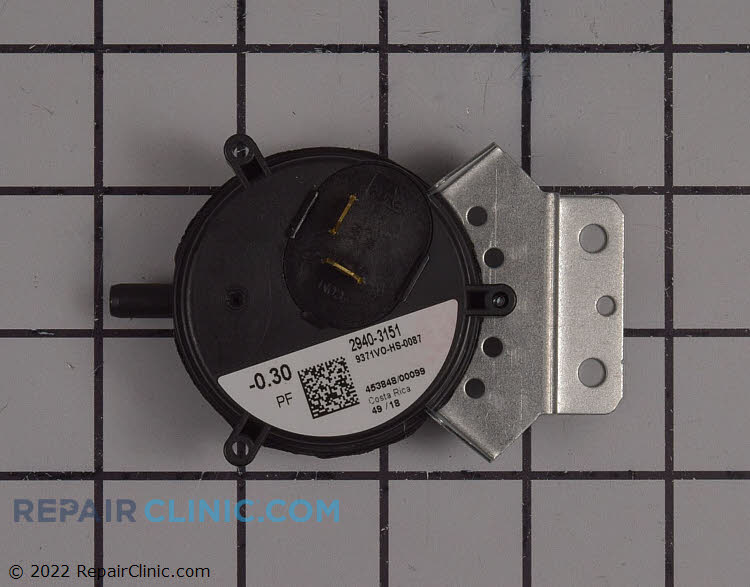
Furnace Gasket Materials: Choosing the Right Seal Parts
Gaskets do quiet, unglamorous work. They keep combustion air where it belongs, stop exhaust from leaking into living spaces, and prevent costly heat loss. When a furnace short cycles, runs with a whistling noise, or leaves a faint burnt smell after each call for heat, worn furnace gasket seal...
Read more →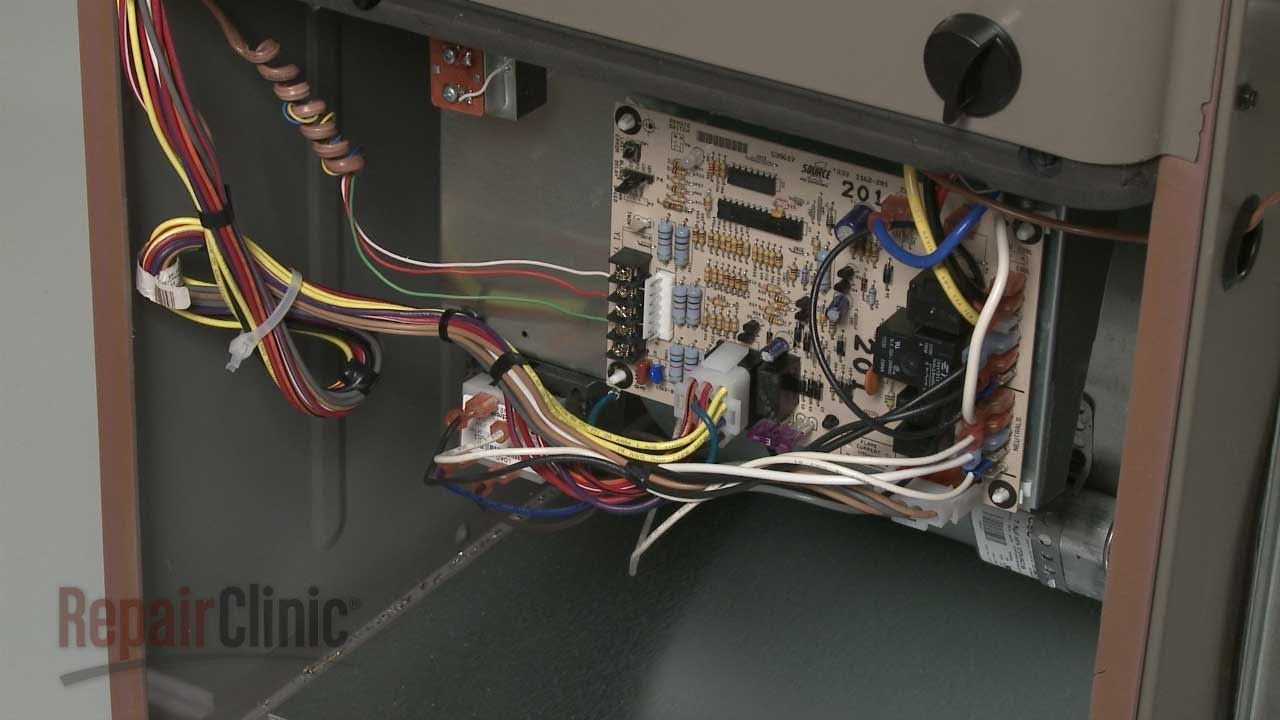
Furnace Fastener Parts: Screws, Clips, and Anchors That Matter
Every reliable heating system is held together by details most homeowners never see. Furnace fastener parts, the screws, clips, anchors, and brackets that secure panels, gas valves, blowers, and control boards, quietly decide whether a furnace runs safely and quietly or rattles itself into a...
Read more →
Furnace Knob, Dial, and Button Aesthetics: Parts That Last
What “furnace parts” means when you care about the details you touch Furnace parts span everything from heavy-duty motors and burners to the small, tactile components you use daily. When you press a button, twist a dial, or grab a handle, you notice quality right away. Furnace knob, dial, and...
Read more →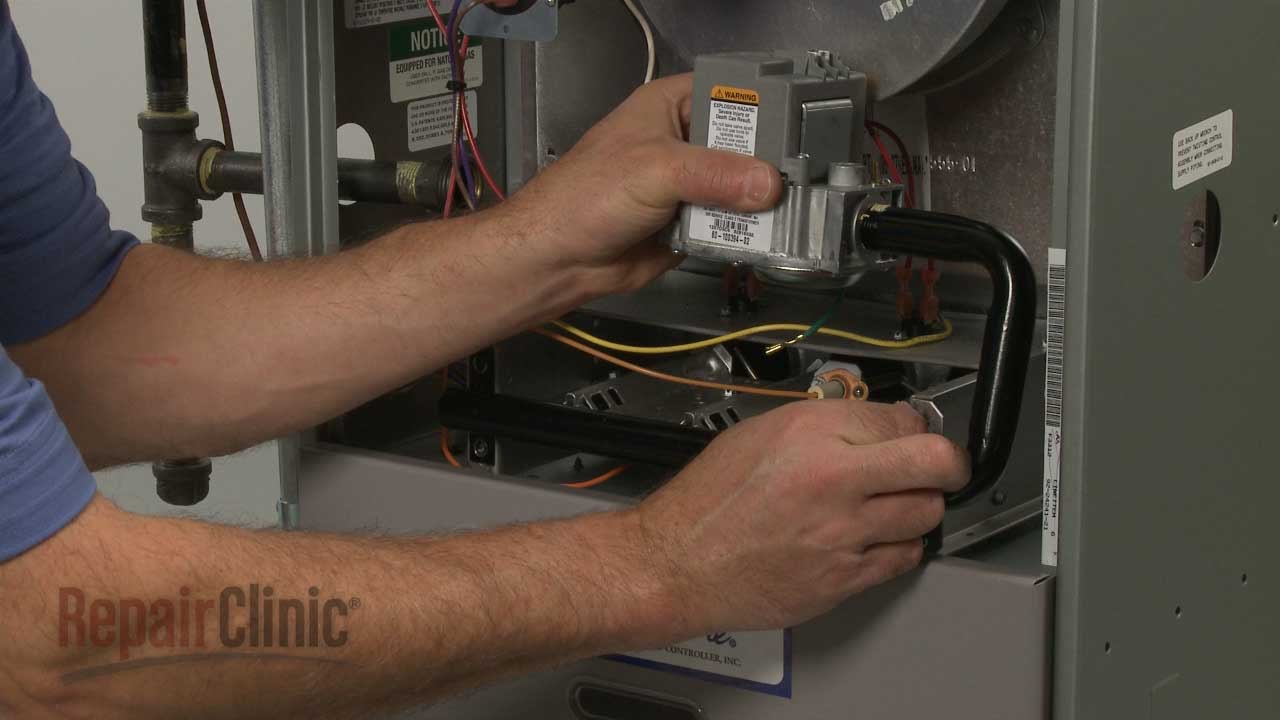
Furnace Cap, Lid, and Cover Parts: Protecting Critical Components
Furnace caps, lids, and covers look humble, but they are the reason your critical components live a long, quiet life. A well-fitted burner box cover damps noise, keeps flame rollout sensors clean, and protects wiring from dust. A tight inducer housing cap stops exhaust leaks that would corrode the...
Read more →
Furnace Control Cable Parts: Ensuring Reliable Connections and Controls
What furnace control cable parts are and why OEM replacements matter Furnace control cable parts are the low-voltage and line-voltage conductors, harnesses, connectors, and strain-relief fittings that link your thermostat, control board, ignition controls, safety switches, gas valve, blower...
Read more →
Furnace Drip Pan Upgrades: Corrosion-Resistant Parts
Keeping condensate where it belongs is the unsung job of your furnace drip pan. When it fails, you see rust stains, musty odors, or warped flooring long before you notice the hairline crack that caused them. After years crawling beside air handlers and high efficiency furnaces, I’ve learned that...
Read more →
Furnace Hose and Fitting Parts: High-Temp Material Guide
What furnace hose, tube, and fitting parts do, and why material choice matters Hoses, tubes, and fittings in a furnace are the quiet workhorses that route gas, move condensate, balance combustion air, and connect pressure switches. They face heat, vibration, acidic condensate, and occasional...
Read more →
Furnace Oven Rack and Broiler Pan Parts: Heat Management Basics
What furnace oven rack and broiler pan parts really do When people talk about furnace parts, they often jump straight to motors, igniters, and control boards. Yet, the humble furnace oven rack and broiler pan parts play a key role in how heat moves, how service techs stage components during...
Read more →
Furnace Engine Parts: Power, Bearings, and Shafts Explained
What people mean by furnace engine parts and why OEM replacements matter When homeowners, techs, or parts catalogs mention furnace engine parts, they are usually talking about the drivetrain of the blower assembly and the components that transfer power to move air: the motor, bearings, axle or...
Read more →
Furnace Fuse and Breaker Parts: Preventing Electrical Failures
What furnace fuses and breakers really do, and why OEM matters Furnace fuse, thermal fuse, and breaker parts are the electrical safety net of your heating system. They protect the transformer, control board, blower motor, ignition controls, and thermostat circuits from overcurrent and short...
Read more →
Furnace Bracket and Flange Reinforcement: Heavy-Duty Parts Guide
A furnace runs quietly for years, furnace igniter parts then one winter the cabinet starts buzzing, the blower housing rattles, or a combustion panel vibrates against the chassis. Nine times out of ten, the culprit is structural hardware that has loosened or fatigued. Bracket and flange assemblies...
Read more →
Furnace Igniter vs. Pilot: Parts and Conversions Explained
What furnace parts matter most when you move from a standing pilot to an electronic igniter? Furnace parts come in two broad ignition families: standing pilot systems and electronic ignition systems. Standing pilot models keep a small flame lit at all times, which then lights the main burners on...
Read more →
Furnace Door Parts: Sealing, Latching, and Insulation Strategies
What furnace door parts do, and why OEM replacements matter Furnace door parts do far more than keep fingers away from hot chambers. The door system shapes airflow, contains combustion byproducts, supports safety interlocks, lowers noise, and protects sensitive controls from dust and condensate....
Read more →
Furnace Blower Balancing: Parts and Methods to Cut Vibration
When a furnace rumbles or buzzes like a washing machine on spin, the culprit is usually an out-of-balance blower. Excess vibration wastes energy, accelerates wear on bearings and belts, and sends noise through ductwork like a drum. Balancing the blower is part science, part craft, and it rests on...
Read more →
Furnace Bag and Collection Parts: Filtration and Disposal Options
Furnace bag and collection parts sit in a strange corner of HVAC work. Most technicians think of burners, circuit boards, and blowers, yet a surprising number of residential and light commercial systems rely on bag-style filtration or collection add-ons to control dust during maintenance,...
Read more →
Troubleshooting Furnace Circuit Board and Timer Parts Like a Pro
Furnaces are remarkably dependable until the day a control board blinks a cryptic error code and the house starts cooling down. The circuit board, often called the control board, is the brain that sequences every heat cycle, from inducer start to ignition to blower run time. The timer circuitry,...
Read more →
Furnace Cap and Cover Parts for Outdoor Units: Weatherproofing Tips
Keeping an outdoor furnace cabinet tight against rain, snow, sun, and pests is not glamorous work, but it is what keeps heat running on the coldest nights. I have opened plenty of rusted Sears furnace parts housings and waterlogged electrical bays that failed because a twenty-dollar cap or lid was...
Read more →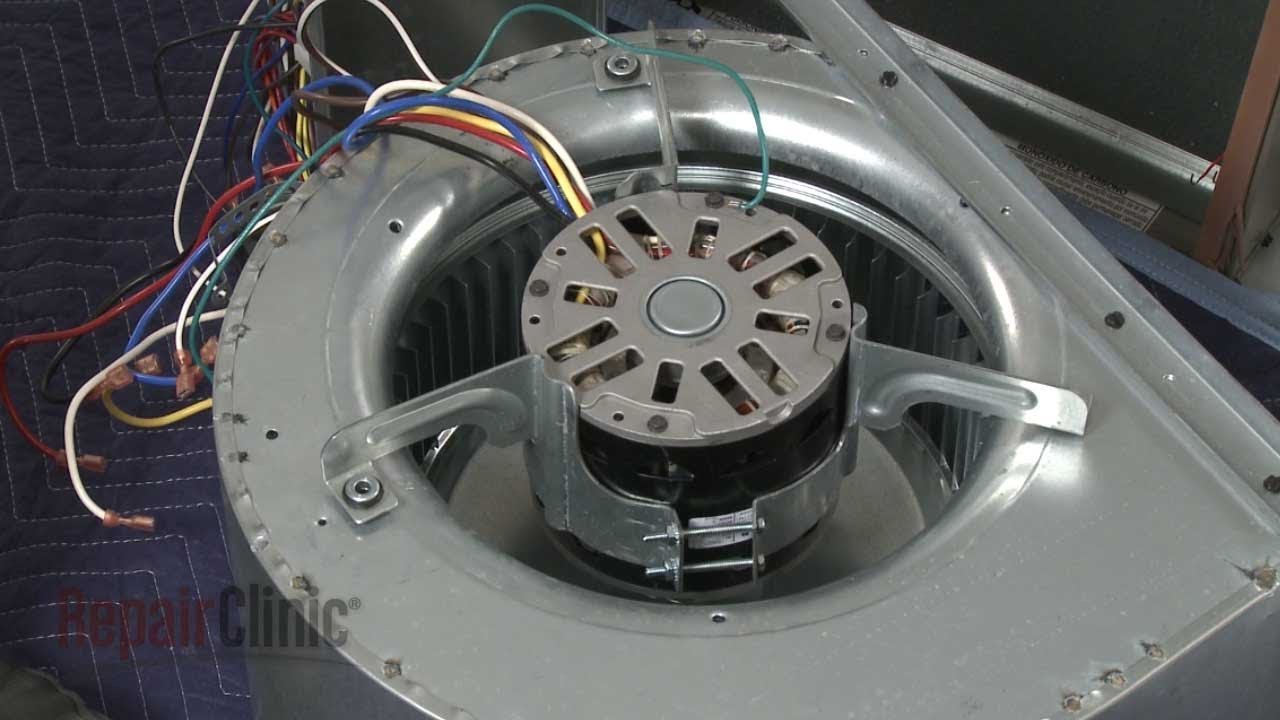
Essential Furnace Fuse, Thermal Fuse, and Breaker Parts You Should Know
A quiet furnace is easy to take for granted until a cold snap exposes a weak link in the protection chain. Fuses, thermal fuses, and breakers are the silent bodyguards of every gas, electric, or oil furnace. They prevent shorts from becoming fires, stop overheating before it cooks wiring, and...
Read more →
Furnace Belt Tension: Parts and Techniques for Proper Drive
Keeping a belt-driven furnace quiet, efficient, and safe comes down to one deceptively simple detail: belt tension. If the drive belt is too loose, the blower slips, airflow drops, and the motor cooks itself trying to keep up. If it is too tight, bearings wear out, the motor draws too many amps,...
Read more →
Furnace Auger Parts: Feed Mechanisms, Wear, and Replacement
When a furnace uses solid fuel, pellets, or certain specialty media, an auger becomes the unsung hero of steady heat. I have serviced pellet appliances that ran flawlessly for a decade and others that chewed through two augers in three winters. The difference usually came down to alignment,...
Read more →
Furnace Grille and Kickplate Parts: Airflow and Aesthetic Upgrades
Keeping a furnace efficient is only half about burners, motors, and control boards. The other half is how air moves into and around the cabinet, then back out into the ducts. Furnace grille and kickplate parts live at that intersection of performance and presentation. When they are chosen wisely...
Read more →
Furnace Chassis Parts: Structural Components You Should Inspect
Furnace chassis parts are the bones of a heating system. They hold motors, burners, and control boards in alignment, keep vibration under control, and protect sensitive components from heat, moisture, and dust. When the chassis is neglected, even brand‑new furnace parts can fail early. I have...
Read more →
Furnace Manuals, Care Guides, and Literature Parts: What to Keep Handy
Why manuals and literature parts matter Furnace manuals, care guides, and literature parts are the roadmap to your heating system. They define the model and serial number conventions, explain the sequence of operations, list furnace parts by number, and provide OEM service procedures. When heat...
Read more →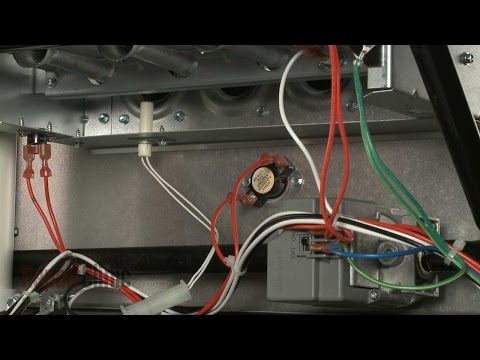
Furnace Gas Burner Control Valve Parts: Calibration and Care
What gas burner control valve parts do and why OEM replacements matter Gas burner control valve parts manage fuel delivery and timing so your furnace starts cleanly, burns efficiently, and shuts down safely. The assembly typically includes the gas valve body, solenoids, pressure regulator,...
Read more →
How to Read Furnace Circuit Board Parts: LEDs, Codes, and Connectors
Furnace circuit boards do more than switch components on and off. They orchestrate ignition timing, blower ramp profiles, safety lockouts, and communication with the thermostat. When heat goes missing, the board’s LEDs, fault codes, and connectors usually tell the story. The trick is knowing where...
Read more →
Furnace Cap and Cover Parts for Outdoor Units: Weatherproofing Tips
Keeping an outdoor furnace cabinet tight against rain, snow, sun, and pests is not glamorous work, but it is what keeps heat running on the coldest nights. I have opened plenty of rusted housings and waterlogged electrical bays that failed because a twenty-dollar cap or lid was missing, or a...
Read more →
Furnace Axle, Roller, Shaft, and Wheel Parts: Smooth Mechanisms Explained
What “axle, roller, shaft, and wheel” really means in a furnace When technicians talk about furnace axle, roller, shaft, and wheel parts, we are usually describing the moving components that let air move freely and reliably through the heating system. The blower motor shaft must run true, the...
Read more →
Furnace Ignition Controls Parts: From Spark to Flame Reliability
When your furnace lights cleanly and stays lit, it is easy to forget the orchestra of parts working behind the access panels. Ignition systems are the conductor, coordinating gas, air, sensors, and logic so a spark or hot surface igniter turns into steady heat. When ignition stumbles, you feel it...
Read more →
Furnace Drip Bowl and Drip Pan Parts: Containment and Cleanup
What furnace drip bowls and drip pans actually do, and why the right parts matter When techs mention furnace drip bowls or drip pans, they are talking about the components that capture and direct nuisance water, condensate, or minor leaks so they do not soak insulation, wiring, or flooring. In...
Read more →
Furnace Cleaner Systems: Deodorizer Parts That Actually Work
What furnace cleaner and deodorizer parts do, and why the right replacements matter When a furnace smells musty, metallic, or like burnt dust every time it starts, the root cause usually lives in the air path or the combustion path. Furnace cleaner and deodorizer parts are purpose-built to remove...
Read more →
Furnace Flame Reliability: Igniter and Control Parts Tuning
A quiet, reliable flame isn’t luck, it is the result of a well-matched set of furnace parts working in step and tuned to the fuel, the ductwork, and the home. When I get called to a house where the furnace won’t stay lit, the culprits usually sit in the same small neighborhood: the igniter, the...
Read more →
Furnace Belt Tension: Parts and Techniques for Proper Drive
Keeping a belt-driven furnace quiet, efficient, and safe comes down to one deceptively simple detail: belt tension. If the drive belt is too loose, the blower slips, airflow drops, and the motor cooks itself trying to keep up. If it is too tight, bearings wear out, the motor draws too many amps,...
Read more →
Furnace Electrical Basics: Capacitor and Ignition Parts
When a furnace fails, the story often starts and ends in its electrical system. Two categories drive the most no-heat calls I see each winter: capacitors in the blower circuit and the ignition train that lights the fuel. Master these and you can diagnose most “furnace not heating” and “furnace not...
Read more →
Furnace Control Cable Routing: Avoiding Kinks and Interference
What furnace control cables are and why routing matters Control cables are the low-voltage and signal conductors that connect your thermostat, limit switches, pressure switches, gas valve, and control board. On modern furnaces and air handlers, these cables carry commands that start ignition,...
Read more →
Furnace Bearing Parts: Reducing Noise and Extending Motor Life
What furnace bearing parts do and why OEM replacements matter Furnace bearing parts are the precision interfaces that let your blower motor shaft, inducer shaft, or draft fan spin freely with minimal friction. When bearings wear, you hear it before you see it: a dry chirp at startup, a rumble...
Read more →
Furnace Axle and Wheel Parts: Handling Heavy Loads Safely
Moving a furnace is not a casual task. Whether you are sliding a cabinet to access a plenum transition, rolling a unit out for a heat exchanger inspection, or transporting a replacement through a tight mechanical room, the small hardware that bears the weight does the invisible heavy lifting....
Read more →
Furnace Cleaner and Deodorizer Parts: Keep Your System Fresh
Why cleanliness belongs in every furnace parts conversation When people talk about furnace parts, they usually jump to igniters, blower motors, or control boards. Yet the unsung heroes of comfort are the components that keep the cabinet, ducts, and air stream clean and odor free. Furnace cleaner...
Read more →
Furnace Latch Parts: Secure Closures for Safety and Performance
Furnace latch parts do a quiet but crucial job. They keep the cabinet closed, the panels aligned, and the airflow sealed so the system can maintain static pressure and burn safely. When a latch loosens, warps, or goes missing, the furnace may rattle, panels can bow, and safety switches may open...
Read more →
Furnace Filter Parts for Allergies: MERV Ratings Demystified
What furnace filter parts do for allergy control, and why OEM quality matters Furnace filter parts sit at the front line of indoor air quality. When someone in the house struggles with allergies or asthma, that thin rectangle of media becomes more than a maintenance item, it is a health tool....
Read more →
Essential Furnace Fuse, Thermal Fuse, and Breaker Parts You Should Know
A quiet furnace is easy to take for granted until a cold snap exposes a weak link in the protection chain. Fuses, thermal fuses, and breakers are the silent bodyguards of every gas, electric, or oil furnace. They prevent shorts from becoming fires, stop overheating before it cooks wiring, and...
Read more →
Furnace Leg, Foot, and Caster Parts: Leveling and Mobility Solutions
What furnace leg, foot, and caster parts do, and why they matter Furnace leg, foot, and caster furnace door parts parts do more than hold a cabinet off the floor. They set the foundation for safe operation, correct airflow, vibration control, and service access. When a furnace is out of level,...
Read more →
Furnace Axle, Roller, Shaft, and Wheel Parts: Smooth Mechanisms Explained
What “axle, roller, shaft, and wheel” really means in a furnace When technicians talk about furnace axle, roller, shaft, and wheel parts, we are usually describing the moving components that let air move freely and reliably through the heating system. The blower motor shaft must run true, the...
Read more →
Furnace Hinge Parts: Aligning and Securing Access Doors Properly
What furnace hinge parts do, and why fit matters Furnace hinge parts are the small, load-bearing components that let you swing open and close access doors without fighting the sheet metal. They keep the door aligned so the furnace can maintain proper negative or positive cabinet pressure,...
Read more →
Furnace Panel Parts: Access, Safety, and Replacement Tips
Furnace panel parts seem simple until you have to remove one in a cramped utility closet with the burner running and the blower roaring. Those front doors, side panels, kickplates, and access covers are the gateway to nearly every repair. Treat them as part of the system and you’ll save time,...
Read more →
Furnace Auger Parts: Feed Mechanisms, Wear, and Replacement
When a furnace uses solid fuel, pellets, or certain specialty media, an auger becomes the unsung hero of steady heat. I have serviced pellet appliances that ran flawlessly for a decade and others that chewed through two augers in three winters. The difference usually came down to alignment,...
Read more →
Furnace Knob, Dial, and Button Aesthetics: Parts That Last
What “furnace parts” means when you care about the details you touch Furnace parts span everything from heavy-duty motors and burners to the small, tactile components you use daily. When you press a button, twist a dial, or grab a handle, you notice quality right away. Furnace knob, dial, and...
Read more →
Furnace Bracket and Flange Reinforcement: Heavy-Duty Parts Guide
A furnace runs quietly for years, then one winter the cabinet starts buzzing, the blower housing rattles, or a combustion panel vibrates against the chassis. Nine times out of ten, the culprit is structural hardware that has loosened or fatigued. Bracket and flange assemblies carry the load of...
Read more →
Furnace Deflector and Chute Parts: Directing Air and Debris Safely
What deflector and chute parts do in a furnace, and why OEM matters Furnace deflector chute parts shape, direct, and sometimes protect the path of air and debris inside and around a heating appliance. In forced-air systems, deflectors guide airflow off the heat exchanger and toward the blower...
Read more →
Furnace Blower Balancing: Parts and Methods to Cut Vibration
When a furnace rumbles or buzzes like a washing machine on spin, the culprit is usually an out-of-balance blower. Excess vibration wastes energy, accelerates wear on bearings and belts, and sends noise through ductwork like a drum. Balancing the blower is part science, part craft, and it rests on...
Read more →
Furnace Door Parts: Sealing, Latching, and Insulation Strategies
What furnace door parts do, and why OEM replacements matter Furnace door parts do far more than keep fingers away from hot chambers. The door system shapes airflow, contains combustion byproducts, supports safety interlocks, lowers noise, and protects sensitive controls from dust and condensate....
Read more →
Troubleshooting Furnace Circuit Board and Timer Parts Like a Pro
Furnaces are remarkably dependable until the day a control board blinks a cryptic error code and the house starts cooling down. The circuit board, often called the control board, is the brain that sequences every heat cycle, from inducer start to ignition to blower run time. The timer circuitry,...
Read more →
Furnace Gas Valve Parts: Safety Checks You Shouldn’t Skip
What furnace gas valve parts do, and why OEM matters Gas valves are the gatekeepers of your furnace. They regulate the flow of natural gas or propane to the burners, opening only when the control board and safety switches agree it is safe. A typical residential system has a two-stage or...
Read more →
Furnace Hinge Parts: Aligning and Securing Access Doors Properly
What furnace hinge parts do, and why fit matters Furnace hinge parts are the small, load-bearing components that let you swing open and close access doors without fighting the sheet metal. They keep the door aligned so the furnace can maintain proper negative or positive cabinet pressure,...
Read more →
Furnace Lighting Parts: Trouble Lights and Indicators
What lighting parts mean on a furnace, and why they matter Furnace lighting parts cover the small but crucial components that tell you what the system is doing. Indicator LEDs on furnace control boards, sight glass ports that let you view a standing pilot or flame, and cabinet service lights are...
Read more →
Furnace Control Cable Parts: Ensuring Reliable Connections and Controls
What furnace control cable parts are and why OEM replacements matter Furnace control cable parts are the low-voltage and line-voltage conductors, harnesses, connectors, and strain-relief fittings that link your thermostat, control board, ignition controls, safety switches, gas valve, blower...
Read more →
Furnace Circuit Protection: Fuse and Breaker Parts Selection
Keeping a furnace dependable starts with safe, predictable power. Circuit protection is the quiet hero of furnace reliability. Pick the correct fuse or breaker, match it to the wiring and components, and your control board, blower motor, and ignition controls live a long, uneventful life. Get it...
Read more →
Furnace Engine Parts: Power, Bearings, and Shafts Explained
What people mean by furnace engine parts and why OEM replacements matter When homeowners, techs, or parts catalogs mention furnace engine parts, they are usually talking about the drivetrain of the blower assembly and the components that transfer power to move air: the motor, bearings, axle or...
Read more →
Furnace Hose, Tube, and Fitting Parts: Leak Prevention and Selection
What furnace hose, tube, and fitting parts do, and why OEM matters Hoses, tubing, and fittings carry the lifeblood of your heating system, whether that is gas, condensate, combustion air, or induced draft pressure signals. On gas furnaces, flexible tubing connects the pressure switch to the...
Read more →
Furnace Gasket Seal Parts: Preventing Leaks and Boosting Efficiency
Keeping combustion and airflow sealed is one of the simplest ways to make a furnace safer, quieter, and more efficient. Gasket seal parts are the unsung heroes here. When those foam strips, high-temp ropes, silicone rings, and flange gaskets wear out, heat and flue gases leak, the blower...
Read more →
Furnace Door Gasket Seal Parts: Achieving an Airtight Closure
What furnace door gasket seal parts do and why OEM quality matters Furnace door gasket seal parts create a tight, resilient barrier around the blower door, burner compartment door, or access panels so the appliance maintains proper combustion, airflow, and safety. When the seal hardens, cracks,...
Read more →
Furnace Gas Valve Parts: Safety Checks You Shouldn’t Skip
What furnace gas valve parts do, and why OEM matters Gas valves are the gatekeepers of your furnace. They regulate the flow of natural gas or propane to the burners, opening only when the control board and safety switches agree it is safe. A typical residential system has a two-stage or...
Read more →
Furnace Fastener Parts: Screws, Clips, and Anchors That Matter
Every reliable heating system is held together by details most homeowners never see. Furnace fastener parts, the screws, clips, anchors, and brackets that secure panels, gas valves, blowers, and control boards, quietly decide whether a furnace runs safely and quietly or rattles itself into a...
Read more →
Furnace Circuit Protection: Fuse and Breaker Parts Selection
Keeping a furnace dependable starts with safe, predictable power. Circuit protection is the quiet hero of furnace reliability. Pick the correct fuse or breaker, match it to the wiring and components, and your control board, blower motor, and ignition controls live a long, uneventful life. Get it...
Read more →
Furnace Dirt Cup Parts: Dust Management for Clean Operation
Most homeowners never think about furnace dirt cup parts until the first cold snap exposes a clogged, dusty system. If your blower compartment looks like a lint trap, you are losing airflow, stressing the motor, and risking nuisance limit trips. Dust control is not just a housekeeping issue, it is...
Read more →
Furnace Cooktop and Surface Heating Parts: Industrial Applications
Industrial furnaces do more than heat air. In many plants they braze, temper, bake coatings, cure composites, and run cooktop or platen-style surface heating stages where product touches steel or ceramic contact plates. Keeping these surfaces flat, responsive, and safe depends on a mesh of...
Read more →
How to Choose the Right Furnace Filter Parts for Better Air Quality
Homes breathe through their HVAC systems. When the filter is wrong, clogged, or installed poorly, the whole house feels it. Dust lingers, allergy symptoms spike, and energy bills creep higher. The right furnace filter parts, combined with a few practical habits, lift indoor air quality and keep...
Read more →
Furnace Manuals and Literature: Parts Lists You Can Trust
When a furnace goes silent on the coldest night of the year, the best tool you can reach for is not a screwdriver, it is the correct furnace fuse parts manual paired with a trustworthy parts list. Manuals and care guides translate vague symptoms into specific furnace parts, and those parts...
Read more →
Furnace Adhesive Parts: High-Temp Bonding Solutions
Adhesives are the quiet heroes inside a heating system. Wherever a screw would introduce vibration, a rivet would puncture a pressure boundary, or a gasket needs a helper at the seam, the right furnace adhesive parts keep components sealed, insulated, and secure under heat and cycling stress....
Read more →
Furnace Control Cable Parts: Ensuring Reliable Connections and Controls
What furnace control cable parts are and why OEM replacements matter Furnace control cable parts are the low-voltage and line-voltage conductors, harnesses, connectors, and strain-relief fittings that link your thermostat, control board, ignition controls, safety switches, gas valve, blower...
Read more →
Top 10 Signs Your Furnace Blower Wheel Fan Blade Parts Need Replacement
If a furnace were a band, the blower motor and blower wheel would be the rhythm section. They don’t steal the spotlight, but they keep the whole show together by moving the right amount of air across the heat exchanger and through the ductwork. When furnace blower wheel fan blade parts are worn,...
Read more →
Furnace Dirt Cup Parts: Dust Management for Clean Operation
Most homeowners never think about furnace dirt cup parts until the first cold snap exposes a clogged, dusty system. If your blower compartment looks like a lint trap, you are losing airflow, stressing the motor, and risking nuisance limit trips. Dust control is not just a housekeeping issue, it is...
Read more →
Furnace Blower Balancing: Parts and Methods to Cut Vibration
When a furnace rumbles or buzzes like a washing machine on spin, the culprit is usually an out-of-balance blower. Excess vibration wastes energy, accelerates wear on bearings and belts, and sends noise through ductwork like a drum. Balancing the blower is part science, part craft, and it rests on...
Read more →
Furnace Cap, Lid, and Cover Parts: Protecting Critical Components
Furnace caps, lids, and covers look humble, but they are the reason your critical components live a long, quiet life. A well-fitted burner box cover damps noise, keeps flame rollout sensors clean, and protects wiring from dust. A tight inducer housing cap stops exhaust leaks that would corrode the...
Read more →
Furnace Glass Tray, Coupler, and Support Roller Parts: Alignment Tips
Furnace techs and facility managers run into alignment problems more often than broken parts. When a glass tray rides out of its track, a coupler chews itself up, or support rollers develop flat spots, you get vibration, chirping, and inconsistent airflow or ignition sequencing that is maddening...
Read more →
Furnace Lighting and Light Bulb Parts: Visibility for Maintenance
What furnace lighting and light bulb parts do, and why they matter Every safe and thorough furnace inspection starts with seeing what you are doing. Built-in furnace lighting and light bulb parts illuminate the burner compartment, the control area, and the blower section so you can read part...
Read more →
Furnace Paint Parts: High-Temp Coatings for Protection and Style
What furnace paint parts are and why they matter Furnace paint parts are high-temperature coatings and related accessories designed to protect sheet metal cabinets, panels, and vent components from corrosion while restoring a clean, factory look. When a furnace cabinet rusts or its paint bubbles,...
Read more →
Furnace Dispenser Parts: Lubricants, Cleaners, and Additive Systems
If you’ve ever opened a blower compartment and been greeted by squealing bearings, dried gaskets, or a sticky inducer wheel, you already appreciate the unsung role of dispenser systems. In residential and light commercial heating, “furnace dispenser parts” refers to the small but critical...
Read more →
Furnace Ignition Controls Parts: From Spark to Flame Reliability
When your furnace lights cleanly and stays lit, it is easy to forget the orchestra of parts working behind the access panels. Ignition systems are the conductor, coordinating gas, air, sensors, and logic so a spark or hot surface igniter turns into steady heat. When ignition stumbles, you feel it...
Read more →
Furnace Drip Pan Upgrades: Corrosion-Resistant Parts
Keeping condensate where it belongs is the unsung job of your furnace drip pan. When it fails, you see rust stains, musty odors, or warped flooring long before you notice the hairline crack that caused them. After years crawling beside air handlers and high efficiency furnaces, I’ve learned that...
Read more →
Furnace Hose, Tube, and Fitting Parts: Leak Prevention and Selection
What furnace hose, tube, and fitting parts do, and why OEM matters Hoses, tubing, and furnace axle roller shaft wheel parts fittings carry the lifeblood of your heating system, whether that is gas, condensate, combustion air, or induced draft pressure signals. On gas furnaces, flexible tubing...
Read more →
Furnace Insulation Panel Parts: Fire-Rated Choices Explained
Furnace cabinets look simple from the outside, yet the box is doing two tricky jobs at once: holding heat inside the heat exchanger while keeping nearby materials safe. The unsung hero is the insulation panel system. Choose the wrong insulation, and you can end up with scorched wiring, warped...
Read more →
Furnace Lighting Parts: Trouble Lights and Indicators
What lighting parts mean on a furnace, and why they matter Furnace lighting parts cover the small but crucial components that tell you what the system is doing. Indicator LEDs on furnace control boards, sight glass ports that let you view a standing pilot or flame, and cabinet service lights are...
Read more →
Replacing Furnace Belt Parts: A Step-by-Step Walkthrough
What furnace belt parts do, and why OEM matters On older belt-drive furnaces and some air handlers, a V-belt connects the blower pulley to the motor pulley. When that belt wears, slips, or snaps, airflow tanks, heat exchangers overheat, and safety switches trip. Furnace belt parts include the...
Read more →
Furnace Lighting Parts: Trouble Lights and Indicators
What lighting parts mean on a furnace, and why they matter Furnace lighting parts cover the small but crucial components that tell you what the system is doing. Indicator LEDs on furnace control boards, sight glass ports that furnace maintenance let you view a standing pilot or flame, and Luxaire...
Read more →
Furnace Insulation Parts: Improve Efficiency and Reduce Heat Loss
What furnace insulation parts are and why they matter Furnace insulation parts are the thermal barriers tucked inside the cabinet, around the heat exchanger compartment, and behind access panels. Their job is simple but critical: keep heat where it belongs, limit cabinet temperature, dampen...
Read more →
Furnace Handle and Hinge Parts: Ergonomics and Durability
A furnace door that opens easily and closes with a confident click seems trivial until it does not. Handles furnace fan blade parts and hinges live a hard life near heat, vibration, and occasional rough handling during filter changes or igniter checks. Get them wrong, and you fight the panel on...
Read more →
Furnace Fastener Parts: Screws, Clips, and Anchors That Matter
Every reliable heating system is held together by furnace duct venting parts details most homeowners never see. Furnace fastener parts, the screws, clips, anchors, and brackets that secure panels, gas valves, blowers, furnace drawer parts and control boards, quietly decide whether a furnace runs...
Read more →
Furnace Manuals, Care Guides, and Literature Parts: What to Keep Handy
Why manuals and literature parts matter Furnace manuals, care guides, and literature parts are the roadmap to your heating system. They define the model and serial number conventions, explain the sequence of operations, list furnace parts by number, and provide OEM service procedures. When heat...
Read more →
Furnace Motor Parts 101: Types, Maintenance, and Upgrades
What furnace motor parts are and why OEM matters Furnace motor parts include the components that move air through the cabinet, regulate the motor’s electrical health, and physically support the blower assembly. In a forced-air system, the motor and blower wheel set the tone for everything from...
Read more →
Furnace Door Parts: Sealing, Latching, and Insulation Strategies
What furnace door parts do, and why OEM replacements matter Furnace door parts do far more than keep fingers away from hot chambers. The door system shapes airflow, contains combustion byproducts, supports safety interlocks, lowers noise, and protects sensitive controls from dust and condensate....
Read more →
Furnace Ignition Controls Parts: From Spark to Flame Reliability
When your furnace lights cleanly and stays lit, it is easy to forget the orchestra of parts working behind the access panels. Ignition systems are the conductor, coordinating gas, air, sensors, and logic so a spark or hot surface igniter turns into steady heat. When ignition stumbles, you feel it...
Read more →
Furnace Diode, Magnetron, and Resistor Parts: Electronics Essentials
What “furnace electronics” actually means When technicians talk about furnace electronics, we mean the small components that shape, switch, and protect the flow of electricity through a heating system. These include diodes that enforce one-way current, resistors that limit current or set sensor...
Read more →
Furnace Latch and Lock Parts: Safety Compliance Tips
Keeping a furnace safe is not only about flame sensors, gas valves, and control boards. The humble latch, hinge, and door interlock often decide whether a unit meets code, contains combustion air properly, and protects users from burns or electrical shock. I have walked into utility rooms where a...
Read more →
Furnace Duct Sealing: Gasket and Seal Parts That Last
Few upgrades punch above their weight like tightening up the duct system. If your furnace runs long yet rooms still feel uneven or drafty, there is a good chance your ductwork is leaking. Smart sealing with durable furnace gasket and seal parts can claw back 10 to 30 percent of lost airflow, keep...
Read more →
Furnace Engine Parts: Power, Bearings, and Shafts Explained
What people mean by furnace engine parts and why OEM replacements matter When homeowners, techs, or parts catalogs mention furnace engine parts, they are usually talking about the drivetrain of the blower assembly and the components that transfer power to move air: the motor, bearings, axle or...
Read more →
Furnace Deflector and Chute Parts: Directing Air and Debris Safely
What deflector and chute parts do in a furnace, and why OEM matters Furnace deflector chute parts shape, direct, and sometimes protect the path of air and debris inside and around a heating appliance. In forced-air systems, deflectors guide airflow off the heat exchanger and toward the blower...
Read more →
Furnace Motor Parts 101: Types, Maintenance, and Upgrades
What furnace motor parts are and why OEM matters Furnace motor parts include the components that move air through the cabinet, regulate the motor’s electrical health, and physically support the blower assembly. In a forced-air system, the motor and blower wheel set the tone for everything from...
Read more →
Furnace Bearing Parts: Reducing Noise and Extending Motor Life
What furnace bearing parts do and why OEM replacements matter Furnace bearing parts are the precision interfaces that let your blower motor shaft, inducer shaft, or draft fan spin freely with minimal friction. When bearings wear, you hear it before you see it: a dry chirp at startup, a rumble...
Read more →
Furnace Axle and Wheel Parts: Handling Heavy Loads Safely
Moving a furnace is not a casual task. Whether you are sliding a cabinet to access a plenum transition, rolling a unit out for a heat exchanger inspection, or transporting a replacement through a tight mechanical room, the small hardware that bears the weight does the invisible heavy lifting....
Read more →
Furnace Drip Bowl and Drip Pan Parts: Containment and Cleanup
What furnace drip bowls and drip pans actually do, and why the right parts matter When techs mention furnace drip bowls or drip pans, they are talking about the components that capture and direct nuisance water, condensate, or minor leaks so they do not soak insulation, wiring, or flooring. In...
Read more →
Furnace Lighting Upgrades: LED Indicator and Bulb Parts
Furnace lighting sounds trivial until you are crouched in front of a blower cabinet, trying to decode a two-flash error with a dim, flickering LED or a burned-out service light. Good visibility and reliable status indicators make diagnostics faster and safer. Upgrading furnace lighting light bulb...
Read more →
Furnace Handle Parts: Safe Access and Durable Upgrades
What furnace handle parts do, and why OEM quality matters Furnace handle parts sound simple, yet they influence safety, speed of service, and the longevity of your heating system. A proper handle provides secure grip for removing furnace doors and panels, keeps service access predictable during...
Read more →
Furnace Insulation Wraps and Panels: Parts to Cut Energy Costs
Furnace insulation is the quiet hero of a heating system. Good wraps, panels, and gaskets keep heat in furnace oven rack broiler pan parts the heat exchanger and air stream where it belongs, not bleeding into a cold basement or out through the cabinet seams. Over the years I have torn down a lot...
Read more →
Understanding Furnace Capacitor Parts: Start vs. Run Capacitors Explained
A furnace that hesitates, hums, or trips the breaker often points to one small, inexpensive component: the capacitor. If you have ever nudged a reluctant blower motor with a screwdriver and watched it finally spin up, you have already met a failing capacitor. In gas, oil, and electric furnaces,...
Read more →
Furnace Handle and Hinge Parts: Ergonomics and Durability
A furnace door that opens easily and closes with a confident click seems trivial until it does not. Handles and hinges live a hard life near heat, vibration, and occasional rough handling during filter changes or igniter checks. Get them wrong, and you fight the panel on every service call. Get...
Read more →
Furnace Lighting Upgrades: LED Indicator and Bulb Parts
Furnace lighting sounds trivial until you are crouched in front of a blower cabinet, trying to decode a two-flash error with a dim, flickering LED or a burned-out service light. Good visibility and reliable status indicators make diagnostics faster and safer. Upgrading furnace lighting light bulb...
Read more →
Furnace Motor Capacitor Pairing: Matching Parts for Longevity
When a blower motor struggles to start, hums without spinning, or short cycles, I look at the motor capacitor first. That small cylindrical or oval can, usually mounted in the blower compartment, is the unsung starter of your heating system. Pairing the right furnace motor and capacitor protects...
Read more →
Furnace Gasket Materials: Choosing the Right Seal Parts
Gaskets do quiet, unglamorous work. They keep combustion air where it belongs, stop exhaust from leaking into living spaces, and prevent costly heat loss. When a furnace short cycles, runs with a whistling noise, or leaves a faint burnt smell after each call for heat, worn furnace gasket seal...
Read more →
Furnace Adhesive Parts: High-Temp Bonding Solutions
Adhesives are the quiet heroes inside a heating system. Wherever a screw would introduce vibration, a rivet would puncture a pressure boundary, or a gasket needs a helper at the seam, the right furnace adhesive parts keep components sealed, insulated, and secure under heat and cycling stress....
Read more →
Replacing Furnace Belt Parts: A Step-by-Step Walkthrough
What furnace belt parts do, and why OEM matters On older belt-drive furnaces and some air handlers, a V-belt connects the blower pulley to the motor pulley. When that belt wears, slips, or snaps, airflow tanks, heat exchangers overheat, and safety Philco furnace parts switches trip. Furnace belt...
Read more →
Furnace Cap, Lid, and Cover Parts: Protecting Critical Components
Furnace caps, lids, and covers look humble, but they are the reason your critical furnace panel parts components live a long, quiet life. A well-fitted burner box cover damps noise, keeps flame rollout sensors clean, and protects wiring from dust. A tight inducer housing cap stops exhaust leaks...
Read more →
Furnace Flame Reliability: Igniter and Control Parts Tuning
A quiet, reliable flame isn’t luck, it is the result of a well-matched set of furnace parts working in step and tuned to the fuel, the ductwork, and the home. When I get called to a house where the furnace won’t stay lit, the culprits usually sit in the same small neighborhood: the igniter, the...
Read more →
Furnace Axle, Roller, Shaft, and Wheel Parts: Smooth Mechanisms Explained
What “axle, roller, shaft, and wheel” really means in a furnace When technicians talk about furnace axle, roller, shaft, and wheel parts, we are usually describing the moving components that let air move freely and reliably through the heating system. The blower motor shaft must run true, the...
Read more →
Furnace Knob, Dial, and Button Parts: Control Restoration Guide
What furnace knob, dial, and button parts do, and why OEM matters On most residential furnaces, the user-facing controls are simple: a few knobs for fan speed or manual reset, dials for older limit settings or humidifier control, and push buttons for lighting, diagnostics, or service modes. These...
Read more →
Furnace Drip Pan Upgrades: Corrosion-Resistant Parts
Keeping condensate where it belongs is the unsung job of your furnace drip pan. When it fails, you see rust stains, musty odors, or warped flooring long before you notice the hairline crack that caused them. After years crawling beside air handlers and high efficiency furnaces, I’ve learned that...
Read more →
Furnace Ignition Controls Parts: From Spark to Flame Reliability
When your furnace lights cleanly and stays lit, it is easy to forget the orchestra of parts working behind the access panels. Ignition systems are the conductor, coordinating gas, air, sensors, and logic so a spark or hot surface igniter turns into steady heat. When ignition stumbles, you feel it...
Read more →
Furnace Door Gasket Seal Parts: Achieving an Airtight Closure
What furnace door gasket seal parts do and why OEM quality matters Furnace door gasket seal parts create a tight, resilient barrier around the blower door, burner compartment door, or access panels so the appliance maintains proper combustion, airflow, and safety. When furnace fuse parts the seal...
Read more →
Furnace Bracket Flange Parts: Mounting Essentials for Stability
What bracket flange parts do in a furnace, and why OEM quality matters Furnace bracket flange parts are the unsung structural hardware that hold the heat exchanger, blower assembly, control boards, and panels exactly where the engineers intended. These mounting points absorb vibration, maintain...
Read more →
Furnace Belt Tension: Parts and Techniques for Proper Drive
Keeping a belt-driven furnace quiet, efficient, and safe comes down to one deceptively simple detail: belt tension. If the drive belt is too loose, the blower slips, airflow drops, and the motor cooks itself trying to keep up. If it is too tight, bearings wear out, the motor draws too many amps,...
Read more →
Top 10 Signs Your Furnace Blower Wheel Fan Blade Parts Need Replacement
If a furnace were a furnace fan blade parts band, the blower motor and blower wheel would be the rhythm section. They don’t steal the spotlight, but they keep the whole show together by moving the right amount of air across the heat exchanger and through the ductwork. When furnace blower wheel fan...
Read more →
Furnace Auger Parts: Feed Mechanisms, Wear, and Replacement
When a furnace uses solid fuel, pellets, or certain specialty media, an auger becomes the unsung hero of steady heat. I have serviced pellet appliances that ran flawlessly for a decade and others that chewed through two augers in three winters. The difference usually came down to alignment,...
Read more →
Furnace Hinge Parts: Aligning and Securing Access Doors Properly
What furnace hinge parts do, and why fit matters Furnace hinge parts are the small, load-bearing components that let you swing open and close access doors without fighting the sheet metal. They keep the door aligned so the furnace can maintain proper negative or positive cabinet pressure,...
Read more →
Furnace Grilles and Kickplates: Parts for Air Intake Optimization
Furnace grilles and kickplates rarely get the spotlight, yet they set the stage for proper air intake and efficient combustion. When I’m called to a home with cold spots, high utility bills, or a furnace that seems to strain, the first thing I inspect is the return air path. If grilles are...
Read more →
Furnace Electrical Basics: Capacitor and Ignition Parts
When a furnace fails, the story often starts and ends in its electrical system. Two categories drive the most no-heat calls I see each winter: capacitors in the blower circuit and the ignition train that lights the fuel. Master these and you can diagnose most “furnace not heating” and “furnace not...
Read more →
Furnace Chassis Parts: Structural Components You Should Inspect
Furnace chassis parts are the bones of a heating system. They hold motors, burners, and control boards in alignment, keep vibration under control, and protect sensitive components from heat, moisture, and dust. When the chassis is neglected, even brand‑new furnace parts can fail early. I have...
Read more →
The Ultimate Guide to Furnace Igniter Parts: Selection, Installation, and Safety
A furnace that will not light on a cold morning usually points to one component first, the igniter. Whether you have a gas furnace with a hot surface igniter or a spark ignition system, the igniter is the spark plug of your heating season. Selecting the correct furnace igniter parts, installing...
Read more →
Furnace Hinge Parts: Aligning and Securing Access Doors Properly
What furnace hinge parts do, and why fit matters Furnace hinge parts are the small, load-bearing components that let you swing open and close access doors without fighting the sheet metal. They keep the door aligned so the furnace can maintain proper negative or positive cabinet pressure,...
Read more →
Furnace Manuals, Care Guides, and Literature Parts: What to Keep Handy
Why manuals and literature parts matter Furnace manuals, care guides, and literature parts are the roadmap to your heating system. They define the model and serial number conventions, explain the sequence of operations, list furnace parts by number, and provide OEM service procedures. When heat...
Read more →
Furnace Grille and Kickplate Parts: Airflow and Aesthetic Upgrades
Keeping a furnace efficient is only half about burners, motors, and control boards. The other half is how air moves into and around the cabinet, then back out into the ducts. Furnace grille and kickplate parts live at that intersection of performance and presentation. When they are chosen wisely...
Read more →
Furnace Lighting Parts: Trouble Lights and Indicators
What lighting parts mean on a furnace, and why they matter Furnace lighting parts cover the small but crucial components that tell you what the system is doing. Indicator LEDs on furnace control boards, sight glass ports that let you view a standing pilot or flame, and cabinet service lights are...
Read more →
Furnace Bearing Parts: Reducing Noise and Extending Motor Life
What furnace bearing parts do and why OEM replacements matter Furnace bearing parts are the precision interfaces that let your blower motor shaft, inducer shaft, or draft fan spin freely with minimal friction. When bearings wear, you hear it before you see it: a dry chirp at startup, a rumble...
Read more →
Furnace Filter Parts for Allergies: MERV Ratings Demystified
What furnace filter parts do for allergy control, and why OEM quality matters Furnace filter parts sit at the front line of indoor air quality. When someone in the house struggles with allergies or asthma, that thin rectangle of media becomes more than a maintenance item, it is a health tool....
Read more →
Furnace Alternator Battery Charger Parts: Backup Power Essentials
Why backup power for a furnace matters, and what “alternator battery charger parts” really cover When utility power drops during a cold snap, a gas or oil furnace usually needs only a few hundred watts to keep the ignition controls, furnace motor parts, and blower running. That modest load is the...
Read more →
Furnace Knob, Dial, and Button Aesthetics: Parts That Last
What “furnace parts” means when you care about the details you touch Furnace parts span everything from heavy-duty motors and burners to the small, tactile components you use daily. When you press a button, twist a dial, or grab a handle, you notice quality right away. Furnace knob, dial, and...
Read more →
Furnace Hose and Fitting Parts: High-Temp Material Guide
What furnace hose, tube, and fitting parts do, and why material choice matters Hoses, tubes, and fittings in a furnace are the quiet workhorses that route gas, move Philco furnace parts condensate, balance combustion air, and connect pressure switches. They face heat, vibration, acidic...
Read more →
Troubleshooting Furnace Circuit Board and Timer Parts Like a Pro
Furnaces are remarkably furnace cooktop parts dependable until the day a control board blinks a cryptic error code and the house starts cooling down. The circuit board, often called the control board, is the brain that sequences every heat cycle, from inducer start to ignition to blower run time....
Read more →
Furnace Blower Balancing: Parts and Methods to Cut Vibration
When a furnace rumbles or buzzes like a washing machine on spin, the culprit is usually an out-of-balance blower. Excess vibration wastes energy, accelerates wear on bearings and belts, and sends noise through ductwork like a drum. Balancing the blower is part science, part craft, and it rests on...
Read more →
Furnace Lighting Parts: Trouble Lights and Indicators
What lighting parts mean on a furnace, and why they matter Furnace lighting parts cover the small but crucial components that tell you what the system is doing. Indicator LEDs on furnace control boards, sight glass ports that let you view a standing pilot or flame, and cabinet service lights are...
Read more →
Furnace Lighting and Light Bulb Parts: Visibility for Maintenance
What furnace lighting and light bulb parts do, and why they matter Every safe and thorough furnace inspection starts with seeing what you are doing. Built-in furnace lighting and light bulb parts illuminate the burner compartment, the control area, and the blower section so you can read part...
Read more →
Furnace Circuit Protection: Fuse and Breaker Parts Selection
Keeping a furnace dependable starts with safe, predictable power. Circuit protection is the quiet hero of furnace reliability. Pick the correct fuse or breaker, match it to the wiring and components, and your control board, blower motor, and ignition controls live a long, uneventful life. Get it...
Read more →
Furnace Duct Venting Parts: Best Practices for Safe Ventilation
What furnace duct venting parts do, and why OEM matters Furnace duct venting parts manage the flow of combustion gases and supply air through safe, sealed pathways. On gas furnaces, these parts move flue gases outdoors while protecting the home from carbon monoxide. On electric systems, venting...
Read more →
Furnace Duct Venting Parts: Best Practices for Safe Ventilation
What furnace duct venting parts do, and why OEM matters Furnace duct venting parts manage the flow of combustion gases and supply air through safe, sealed pathways. On gas furnaces, these parts move flue gases outdoors while protecting the home from carbon monoxide. On electric systems, venting...
Read more →
Furnace Igniter vs. Pilot: Parts and Conversions Explained
What furnace parts matter most when you move from a standing pilot to an electronic igniter? Furnace parts come in two broad ignition families: standing pilot systems and electronic ignition systems. Standing pilot models keep a small flame lit at all times, which then lights the main burners on...
Read more →
Furnace Blower Wheel vs. Fan Blade Parts: Which One Do You Need?
When a furnace stops moving air the way it should, the problem often traces back to the moving hardware that actually pushes air. Two parts get confused all the time: the blower wheel and the fan blade. They both spin, they both move air, and they both fail over time. But they are not...
Read more →
Furnace Electrical Basics: Capacitor and Ignition Parts
When a furnace fails, the story often starts and ends in its electrical system. Two categories drive the most no-heat calls I see each winter: capacitors in the blower circuit and the ignition train that lights the fuel. Master these and you can diagnose most “furnace not heating” and “furnace not...
Read more →
Understanding Furnace Capacitor Parts: Start vs. Run Capacitors Explained
A furnace that hesitates, hums, or trips the breaker often points to one small, inexpensive component: the capacitor. If you have ever nudged a reluctant blower motor with a screwdriver and watched it finally spin up, you have already met a failing capacitor. In gas, oil, and electric furnaces,...
Read more →
Furnace Blade Parts: Material Choices for Heat and Wear
Furnace blade parts live hard lives. Whether you are looking at a centrifugal blower wheel that runs for thousands of hours each winter or a combustion fan blade moving hot flue gases, material choice decides how long the component lasts, how quiet it runs, and how safely your heating system...
Read more →
Furnace Oven Rack and Broiler Pan Parts: Heat Management Basics
What furnace oven rack and broiler pan parts really do When people talk about furnace parts, they often jump straight to motors, igniters, and control boards. Yet, the humble furnace oven rack and broiler pan parts play a key role in how heat moves, how service techs stage components during...
Read more →
Furnace Gasket Materials: Choosing the Right Seal Parts
Gaskets do quiet, unglamorous work. They keep combustion air where it belongs, stop exhaust from leaking into living spaces, and prevent costly heat loss. When a furnace short cycles, runs with a whistling noise, or leaves a faint burnt smell after each call for heat, worn furnace gasket seal...
Read more →
Furnace Manuals and Literature: Parts Lists You Can Trust
When a furnace goes silent on the coldest night of the year, the best tool you can reach for is not a screwdriver, furnace paint parts it is the correct manual paired with a trustworthy parts list. Manuals and care guides translate vague symptoms into specific furnace parts, and those parts...
Read more →
Furnace Bracket Flange Parts: Mounting Essentials for Stability
What bracket flange parts do in a furnace, and why OEM quality matters Furnace bracket flange parts are the unsung structural hardware that hold the heat exchanger, blower assembly, control boards, and panels exactly where the engineers intended. These mounting points absorb vibration, maintain...
Read more →
Furnace Latch Parts: Secure Closures for Safety and Performance
Furnace latch parts do a quiet but crucial job. They keep the cabinet closed, the panels aligned, and the airflow sealed so the system can maintain static pressure and burn safely. When a latch loosens, warps, or goes missing, the furnace may rattle, panels can Goodman furnace parts bow, and...
Read more →
Troubleshooting Furnace Circuit Board and Timer Parts Like a Pro
Furnaces are remarkably dependable until the day a control board blinks a cryptic error code and the house starts cooling down. The circuit board, often called the control board, is the brain that sequences every heat cycle, from inducer start to ignition to blower run time. The timer circuitry,...
Read more →
Furnace Door Gasket Seal Parts: Achieving an Airtight Closure
What furnace door gasket seal parts do and why OEM quality matters Furnace door gasket seal parts create a tight, resilient barrier around the blower door, burner compartment door, or access panels so the appliance oil furnace parts maintains proper combustion, airflow, and safety. When the seal...
Read more →